









- One sided adhesive tapes
- Packing tapes
- Coloured - marking tapes
- Electrical tapes
- Office tapes, adhesive tapes
- Slick surface tapes
- Metal adhesive tapes
- Masking crepe tape
- Masking special tapes
- Surface protection tapes
- Foam - sealing tapes
- Anti-slip tapes
- Self-adhesive rubber cut-outs
- Special tapes
- Textile tapes
- Warning and reflective tapes
- Double-sided adhesive tapes
- Electrical insulation material
- Glues
- Flexible stoppers, bumpers
- Velcro straps
- Primers - activators - cleaners
- Accessories for adhesives, applicators
Printing technologies Thermal Transfer vs. Direct Thermal. What is the difference between it and what does it mean?
You have surely already come across the term "direct thermal printing (Direct Thermal or DT)" or "thermal transfer printing (Thermal Transfer or TT)". These names mainly appear in the parameters of products such as label printers (also known as thermal printers), label maker tapes, self-adhesive labels, and ink ribbons. But do you know what they really mean? Right? In this article, we will reveal all the important information you need to know about this topic.
Label printers use thermal printing, which means that unlike conventional desktop printers, they do not require any ink cartridges or toners. This method particularly excels in situations where we need to print quickly and easily using it. And by now you can probably guess that this printing method is divided into the already mentioned thermal transfer and direct thermal technologies.
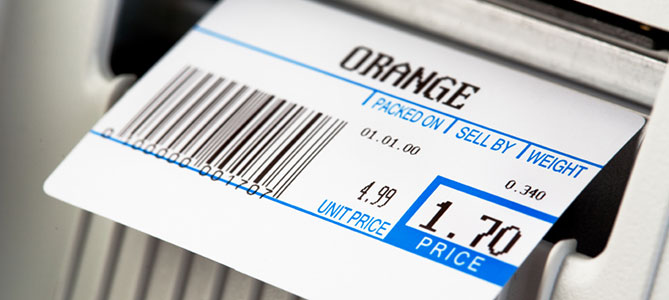
Thermal printing is used for printing:
- Self-adhesive labels and paper tags (DT and TT)
- Receipts and tickets (DT)
- Plastic cards (TT)
- Wristbands (TT)
- Heat-shrink tubing (TT)
Direct thermal printing (Direct Thermal = DT)
Inside the printer there is a print head, the basis of which consists of heating elements. Special thermal paper passes under the print head, and it is coated with a special heat-sensitive layer.It changes color after heating with a thermal head from white to black.
Direct thermal label printers are amazingly quiet and fast.On the other hand, they have the disadvantage that they can only handle black-and-white printing and have a relatively low resolution - up to 300 dpi (dots per inch), so although you can print photographs with them, never with the same quality as with an inkjet or laser printer.
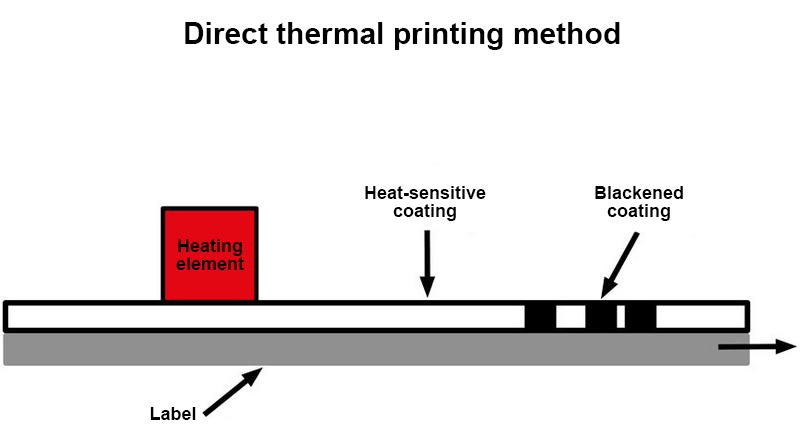
Unfortunately, one disadvantage is sometimes also the thermal paper, since it fades relatively quickly after exposure to ambient heat, any heating element, or sunlight (UV) radiation. Direct thermal printing is therefore not suitable for printing documents of a permanent nature, such as purchase contracts, employment contracts, or invoices. We do not recommend it even for labels on goods that are exposed to outdoor conditions (especially sunlight).
TIP: "How to label and sticker products and materials?"
Thermal Transfer Printing (Thermal Transfer = TT)
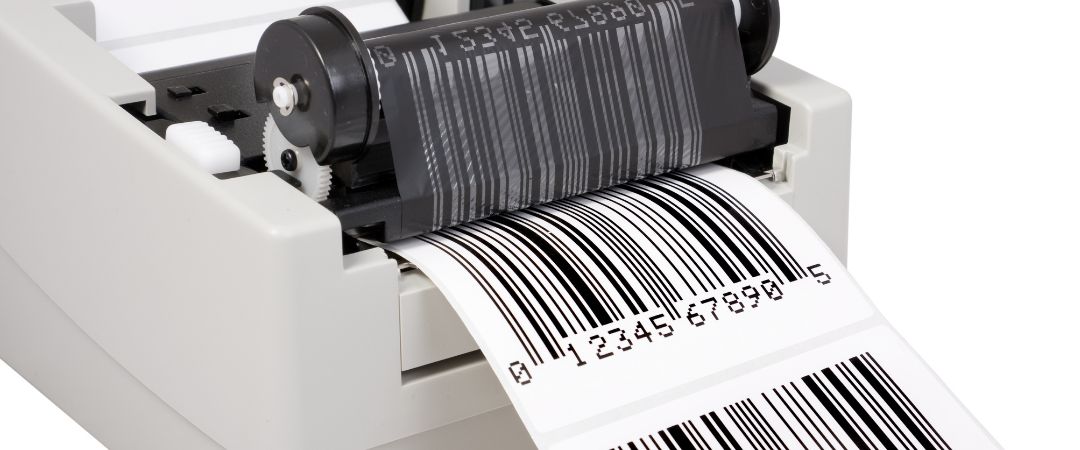
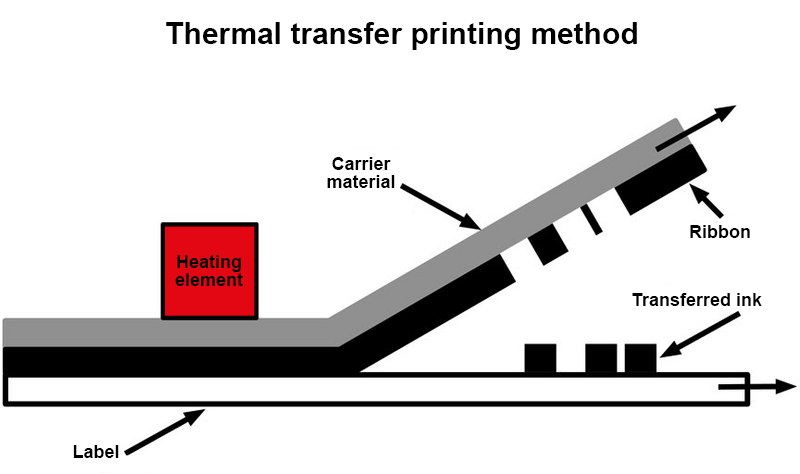
Thermal transfer printing, also known in English by the abbreviation TT - Thermal Transfer, is a more advanced method compared to Direct Thermal technology. The basis of thermal transfer printers is color foil (ribbons) made of polyester impregnated with dye.The dye from the ribbon is transferred by heat to the medium (self-adhesive labels, wristbands, plastic cards, etc.).
Thermal transfer printing technology is also used for printing on textiles.
Thermal transfer printers are also capable of direct thermal printing, so it is not necessary to use ink foils or ink ribbons.
Thermal transfer printing is also used by handheld label makers, which is why the finished printed labels are long-lasting and highly resistant to environmental influences.
TIP: "Label printers for low-volume printing requirements"
Fortunately, with us you will find plenty of options for label printers and label makers, not only according to printing technologies, but also by resolution, print speed, and print width, so you can choose the right one for your needs. You will certainly also appreciate the wide selection of compatible self-adhesive thermal labels (DT) and compatible TT labels on rolls, thanks to which you will save money without sacrificing the quality of the printed labels.
Sára from CDRmarket