









- Automotive
- Sanding - Polishing
- One sided adhesive tapes
- Packing tapes
- Coloured - marking tapes
- Electrical tapes
- Office tapes, adhesive tapes
- Slick surface tapes
- Metal adhesive tapes
- Masking crepe tape
- Masking special tapes
- Surface protection tapes
- Foam - sealing tapes
- Anti-slip tapes
- Self-adhesive rubber cut-outs
- Special tapes
- Textile tapes
- Warning and reflective tapes
- Double-sided adhesive tapes
- Electrical insulation material
- Glues
- Materiály pro výrobu technických štítků
- Flexible stoppers, bumpers
- Velcro straps
- Primers - activators - cleaners
- Accessories for adhesives, applicators
 Monitors
 Laptops
 Desktop computers
- Accessories
- Backpacks and laptop bags
- Electronic gadgets
- Ergonomic accessories
- External drives
- Gamepads
- Gaming tables
- Gaming chairs
- Microphones
- Internal drives
- Cables
- Office chairs
- Keyboards
- Mice
- Power supplies
- Memory cards
- Mouse pads
- Projectors and accessories
- Mobile phone accessories
- Speakers
- Keyboard and mouse sets
- Headphones
- USB Flash discs
- Gaming steering wheels
- Scales
- Webcams
Filament FLEX
FLEX filament – a flexible and durable material for functional and creative 3D prints
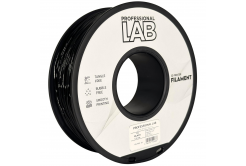
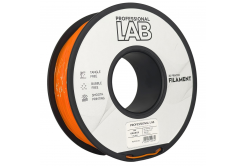
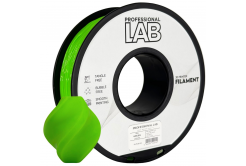
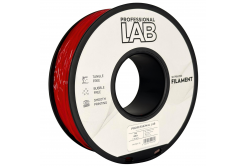
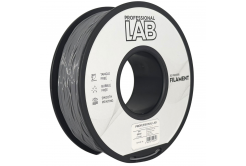
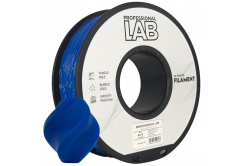
FLEX filament is a special type of flexible material designed for 3D printing that combines the elasticity of rubber with the strength of plastic. This type of filament is made from thermoplastic elastomers (TPE, TPU, or TPC), which enable the printing of flexible, stretchable, and impact-resistant parts.
FLEX filament is ideal for the production of seals, protective covers, bumpers, handles, damping elements, or ergonomic components, where flexibility, durability, and shape recovery are required.


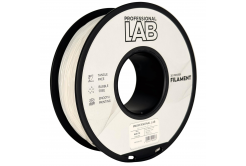
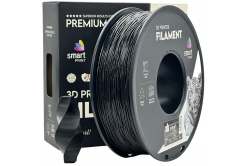
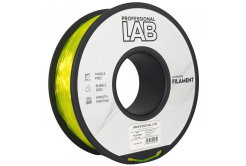
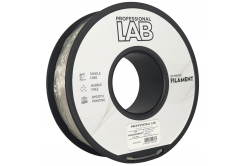
Properties that make it a versatile material
Unlike classic rigid filaments, FLEX makes it possible to create prints that deform under pressure but always return to their original shape.
This makes it popular both in technical applications and in the creation of functional prototypes and design elements. With the printer properly configured, it is possible to achieve uniform printing without gaps or deformations, while the resulting parts have a smooth and flexible surface.Main advantages of FLEX filaments:
-
High elasticity and tear resistance
-
Impact resistance and ability to absorb vibrations
-
Good layer adhesion and dimensional stability
-
Can be bent, stretched, and compressed without damage
-
Resistance to chemicals, grease, and wear
-
Suitable for mechanically stressed and damping components
How to print with FLEX filament
Printing with flexible filaments requires a slightly different approach than with classic materials such as PLA filament or ABS filament. A direct drive extruder (Direct Drive) is recommended, as it provides better control over the feeding of flexible filament. The nozzle temperature usually ranges between 210–240 °C, and the print bed can be heated to 50–60 °C.
For best results, a lower print speed (20–40 mm/s) is recommended so that the filament has time to be deposited properly. After printing, the parts can be further processed – for example, trimmed or thermally shaped without losing their flexibility.
Wide range of applications
FLEX filaments are used wherever a combination of flexibility, durability, and reliability is needed.
Typical applications include:-
Seals, protective covers and sleeves
-
Shock and vibration dampers
-
Bumpers, pads, tapes, hoses, and sealing rings
-
Handles, anti-slip parts, or sports equipment
-
Decorative and functional design components
Hardness and color variants
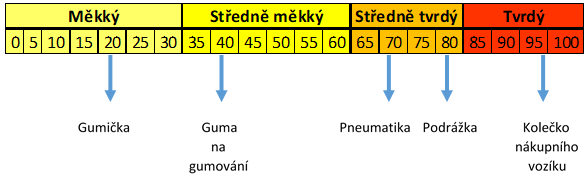
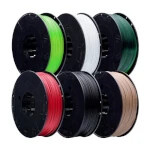
In our offer you will find FLEX filaments with different hardness levels (usually обозначенные in Shore units – e.g. Shore 85A to 98A). Softer types are very flexible, while harder ones provide greater stability and strength. FLEX is available in various colors, from classic black and white to transparent and bold shades, allowing you to tailor the appearance of prints as needed.
When you need flexibility and durability
Thanks to its properties, FLEX filament is an ideal solution for applications where elasticity, impact resistance, and shape memory are important.
Prints made from this material retain their properties over the long term, even under repeated stress.The FLEX Filament Category offers a wide selection of flexible and durable filaments for professional and home 3D printing. A perfect choice for anyone who wants to experiment with functional materials, print flexible components, and harness the full potential of 3D printing in practice.