









- Automotive
- Sanding - Polishing
- One sided adhesive tapes
- Packing tapes
- Coloured - marking tapes
- Electrical tapes
- Office tapes, adhesive tapes
- Slick surface tapes
- Metal adhesive tapes
- Masking crepe tape
- Masking special tapes
- Surface protection tapes
- Foam - sealing tapes
- Anti-slip tapes
- Self-adhesive rubber cut-outs
- Special tapes
- Textile tapes
- Warning and reflective tapes
- Double-sided adhesive tapes
- Electrical insulation material
- Glues
- Materials for the production of technical labels
- Flexible stoppers, bumpers
- Velcro straps
- Primers - activators - cleaners
- Accessories for adhesives, applicators
 Monitors
 Laptops
 Desktop and gaming computers
- Accessories and Add-ons
- Backpacks and laptop bags
- Electronic gadgets
- Ergonomic accessories
- External drives
- Gamepads
- Gaming tables
- Gaming chairs
- Microphones
- Internal drives
- Cables
- Office chairs
- Keyboards
- Mice
- Power supplies
- Memory cards
- Mouse pads
- Projectors and accessories
- Mobile phone accessories
- Speakers
- Keyboard and mouse sets
- Headphones
- USB Flash discs
- Gaming steering wheels
- Scales
- Webcams
What types of printers are there and why do they have different designations?
Did you know that not every printer is used for printing ordinary documents? There are dozens of different types of printers designed for photos, labels, receipts, plastic cards, or identification wristbands.
We will look at the most common types of printers, show how they differ from each other, and where you are most likely to encounter them.
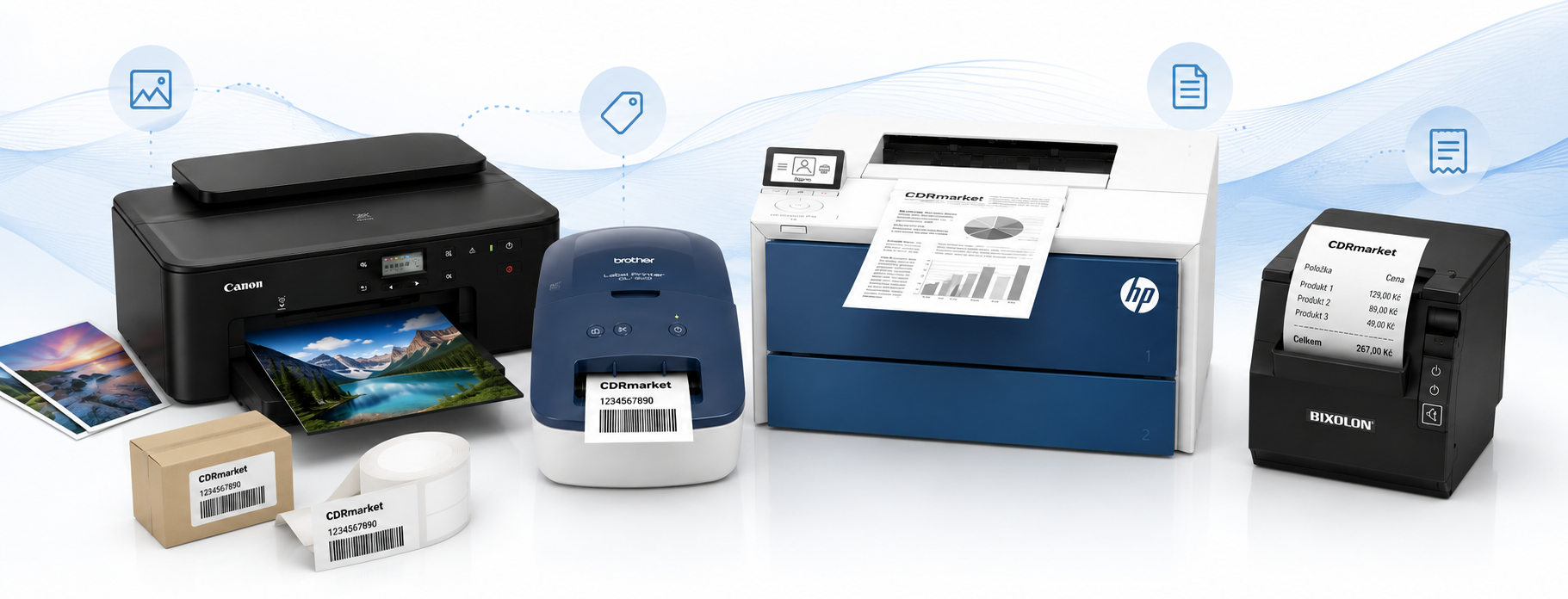
How can printers be divided?
Different types of printers differ from one another not only in the technology used, but also in what they are intended for. Therefore, printers are most often divided according to the printing method and according to the purpose of their use. Some names refer to the printing technology, others to the type of device or its use.
By printing technology
- inkjet
- laser
- LED
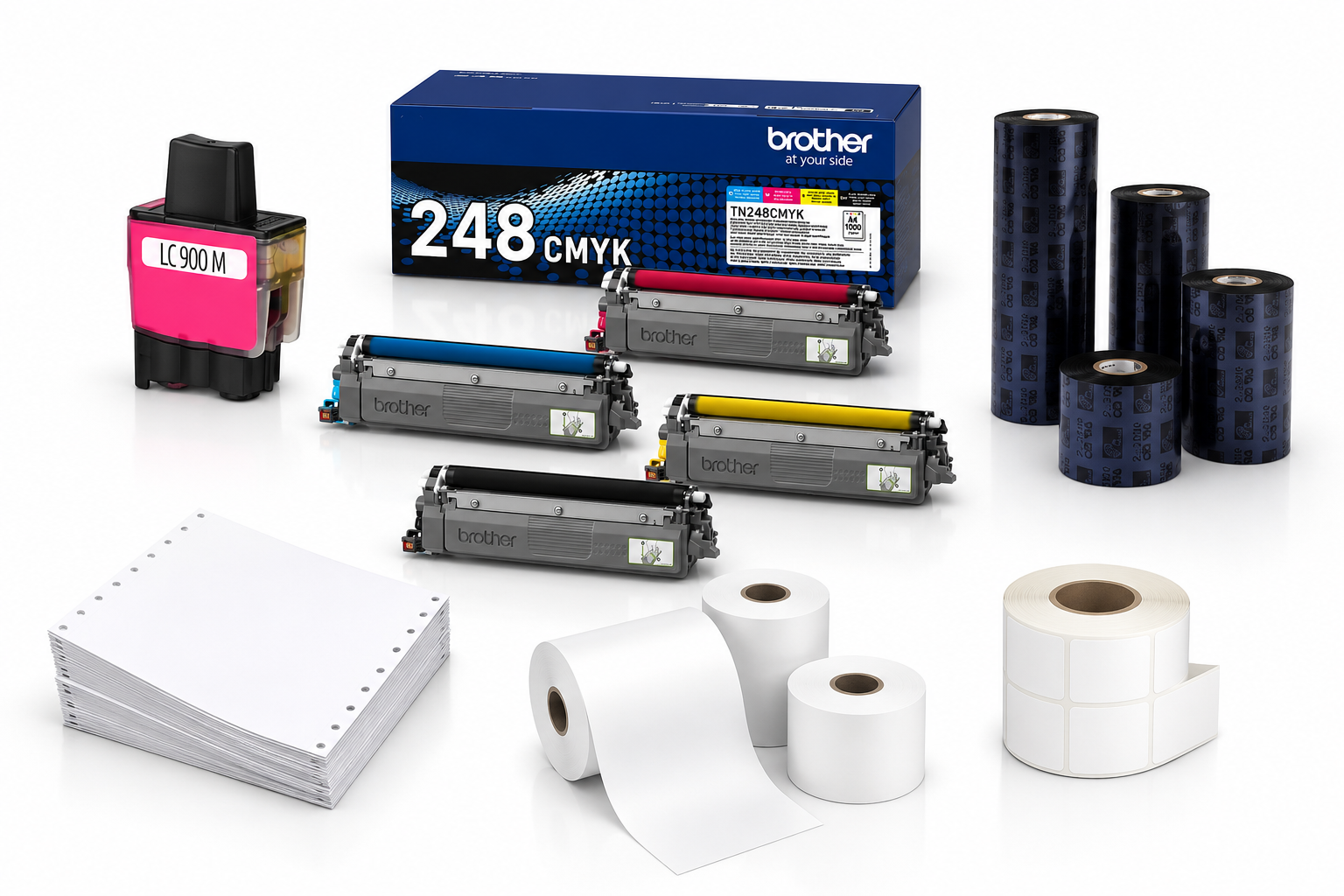 dot matrix
- direct thermal printing
- thermal transfer
According to the purpose of use
- multifunction
- photo printers
- receipt printers
- mobile printers
- large-format printers
- label makers
- label printers
- plastic card printers
- identification wristband printers
- heat shrink tube printers
One printer can belong to multiple categories at the same time. For example, a multifunction printer can be both inkjet and laser, while a mobile printer can use direct thermal printing technology.
Now let’s take a closer look at the individual types of printers.
Inkjet printers
Inkjet printers use liquid ink for printing and are among the most widespread types of printers for households and smaller offices.
They excel in high-quality color printing and achieve very good results when printing photographs.Typical use:
- common documents
- photographs
- school and home printing
- flyers, presentations, and other color documents
Laser Printers
Laser printers use toner and laser technology. They are especially popular in companies and offices where larger quantities of documents are printed. Compared to inkjet printers, they excel with fast printing, sharp text, and lower costs for frequent printing.
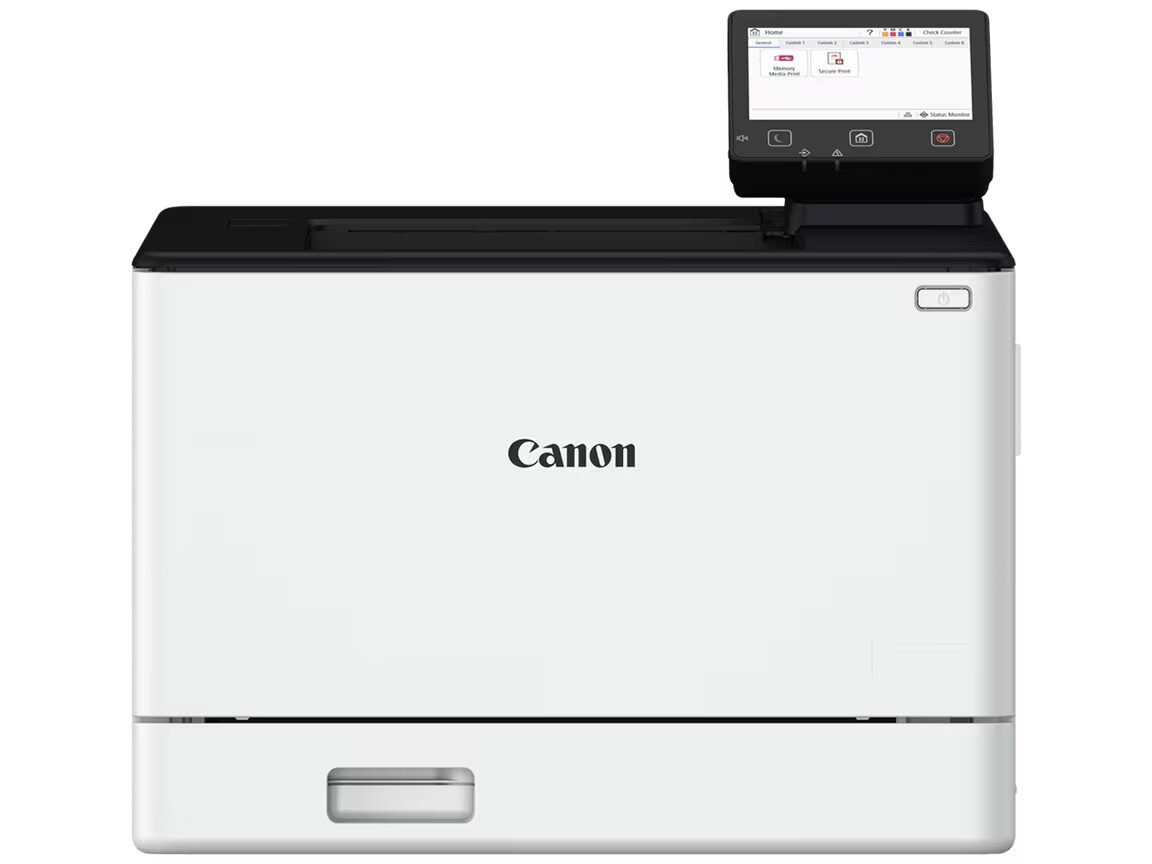
Typical use:
- office documents
- invoices and contracts
- school materials
- everyday black-and-white and color printing
More information about choosing the right printer can be found in our article How to Choose the Right Printer.
LED printers
LED printers operate on a similar principle to laser printers. Instead of a laser beam, however, they use a series of LED diodes that create an image on the printing drum. Thanks to this technology, they have a simpler design, and some models also enable very fast printing.
In terms of their use, LED printers are very similar to laser printers, and therefore they are often classified in the same category.
Dot matrix printers
Dot matrix printers are among the oldest types of printers and use a print head with small pins for printing, which create an image on paper through an ink ribbon.
Although they are less widespread today, they are still used wherever it is necessary to print multi-part forms, for example in logistics, industry, or certain administrative operations.
Direct thermal printing vs. thermal transfer: What is the difference between them?
Both technologies are most commonly used for label printing. Although they look similar, they operate on a different principle and each is suitable for a different type of use. You can find the main differences in the overview below.
Types of printers by use
In addition to printing technology, printers are also often distinguished according to purpose, for which they are intended, or by functions, which they offer. Some are designed for printing photographs, others for printing receipts, labels, or plastic cards. Among the most widespread are also multifunction printers, which in addition to printing can also handle other office tasks. Let's look at the most common of them.
Multifunction printers
A multifunction printer does not refer to a printing method, but to a device that combines several functions into one. In addition to printing, it also enables scanning, copying, and in some models also faxing.
Multifunction printers can be both inkjet and laser, and are therefore used in both homes and offices.
By combining several functions into a single device, it saves space and acquisition costs.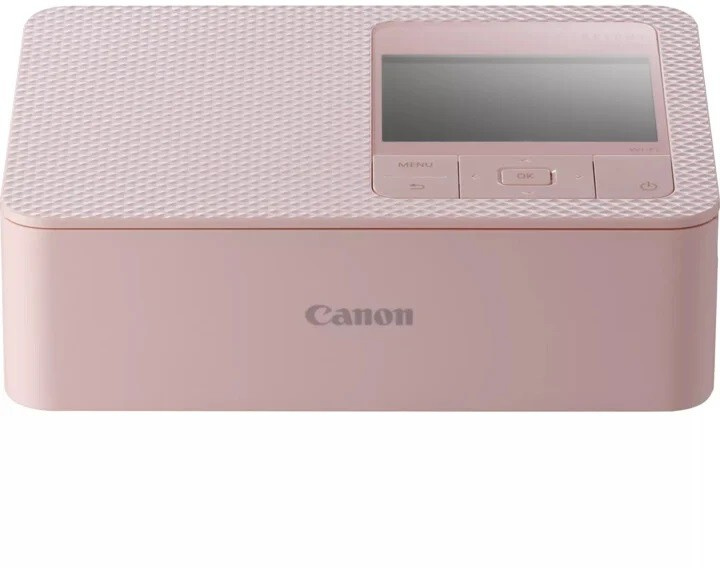
Photo Printers
Photo printers are designed for high-quality photo printing with an emphasis on accurate color reproduction and high resolution. They are most commonly used in households or photographic studios.
Receipt printers
Receipt printers are used for printing receipts, queue tickets and other documents.
You will most often find them in shops, restaurants, and other establishments.Mobile printers
Mobile printers enable printing directly in the field without the need to connect to a desktop computer.
Thanks to their compact dimensions and battery power, they are suitable for work outside the office.Large-format printers
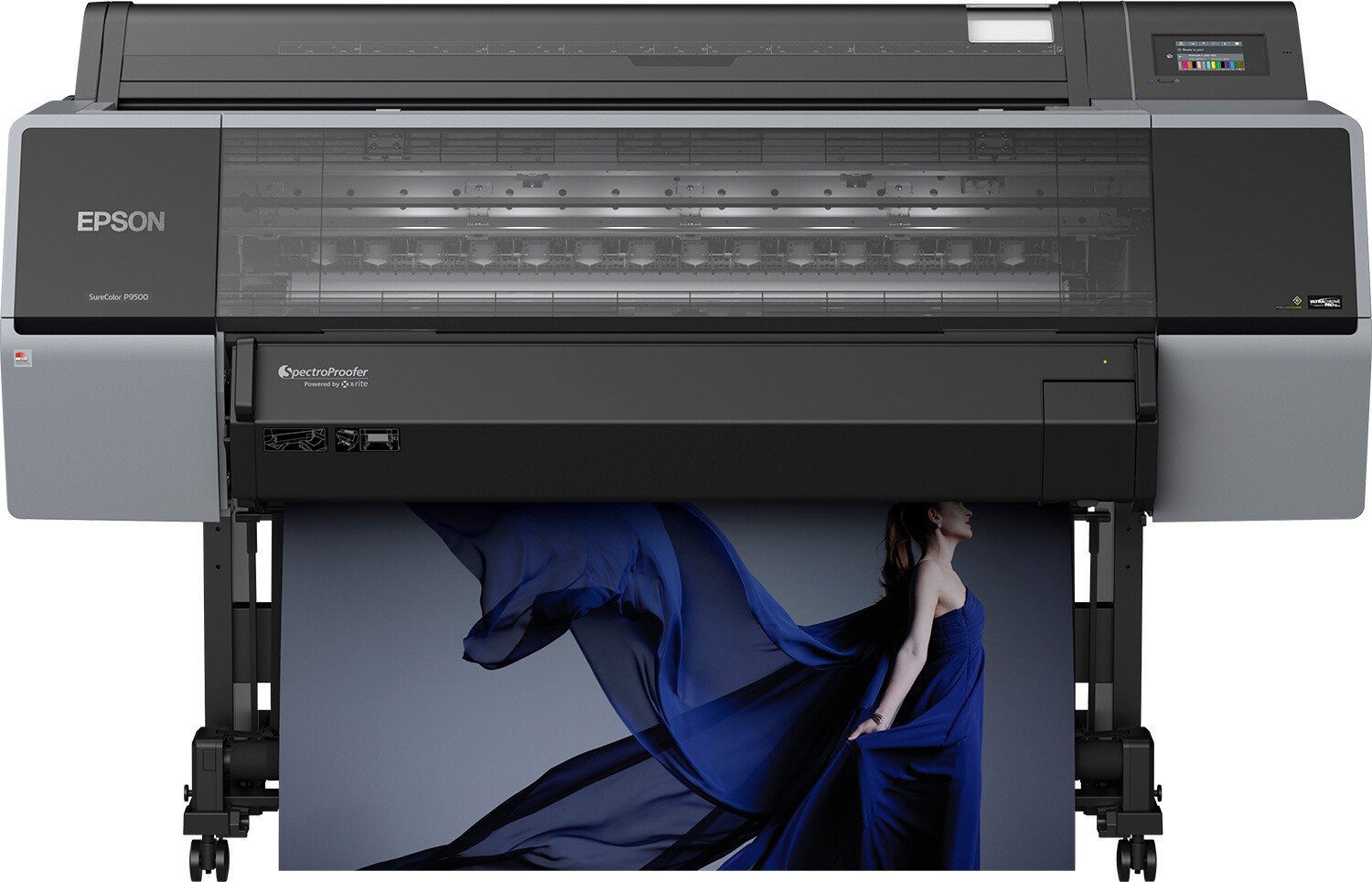
Large-format printers are designed for printing documents and graphics in larger formats than A4 or A3. They are most commonly used in advertising, architecture, construction, or technical drawing.
Label makers
Label makers are compact devices designed for the quick printing of self-adhesive labels.
They are most commonly used in households, offices, or smaller operations for clear organizationmarking various objects.
Typical use:
- labeling binders
- cable organization
- labeling shelves and storage boxes
- home and office
Label printers
Label printers are designed for regular or high-volume printing of self-adhesive labels in various sizes.
They are primarily used in warehouses, logistics, manufacturing, healthcare, or retail.Typical use:
- shipping labels
- warehouse labels
- production marking
- price tags and barcodes
Plastic card printers
Plastic card printers are used to produce plastic identification, membership or access cards.
They are most commonly used in companies, schools, healthcare, or when organizing various events.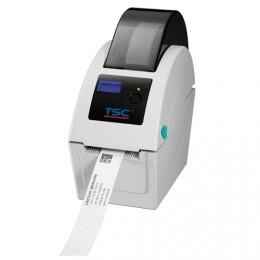
Identification Wristband Printers
Identification wristband printers enable fast printing of wristbands with text, barcodes or QR codes. They are most commonly used in healthcare, at cultural events, or for visitor registration.
Heat Shrink Tube Printers
Heat shrink tube printers are designed for printing shrinkable tubes used for marking wires and cables.
They are most commonly used in the installation of electrical wiring, in industry, or in the production of switchboards.Now you know what types of printers exist
Whether the world of printing seemed chaotic and confusing to you, we believe that this article helped you better navigate the different types of printers and their uses. When choosing a printer, the most important thing is not the brand or the number of functions, but above all that it best matches your needs and the way you will use it. Once you understand the differences between the various technologies and types of printers, choosing the right device will be much easier for you.
Bára from CDRmarket