









- Automotive
- Sanding - Polishing
- One sided adhesive tapes
- Packing tapes
- Coloured - marking tapes
- Electrical tapes
- Office tapes, adhesive tapes
- Slick surface tapes
- Metal adhesive tapes
- Masking crepe tape
- Masking special tapes
- Surface protection tapes
- Foam - sealing tapes
- Anti-slip tapes
- Self-adhesive rubber cut-outs
- Special tapes
- Textile tapes
- Warning and reflective tapes
- Double-sided adhesive tapes
- Electrical insulation material
- Glues
- Materials for the production of technical labels
- Flexible stoppers, bumpers
- Velcro straps
- Primers - activators - cleaners
- Accessories for adhesives, applicators
 Monitors
 Laptops
 Desktop and gaming computers
- Accessories
- Backpacks and laptop bags
- Electronic gadgets
- Ergonomic accessories
- External drives
- Gamepads
- Gaming tables
- Gaming chairs
- Microphones
- Internal drives
- Cables
- Office chairs
- Keyboards
- Mice
- Power supplies
- Memory cards
- Mouse pads
- Projectors and accessories
- Mobile phone accessories
- Speakers
- Keyboard and mouse sets
- Headphones
- USB Flash discs
- Gaming steering wheels
- Scales
- Webcams
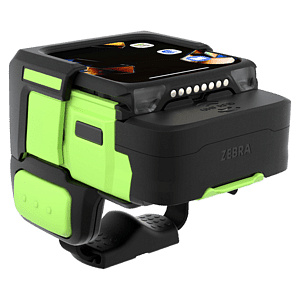
Zebra WS501-R WS5012-0D3M1030EEA, 865-868 MHz, 2D, RFID, USB-C, BT, Wi-Fi, NFC, Android
Parameters
Product description
The Zebra brand represents top quality and reliability in the mobile data terminal market, which are essential for modern logistics, warehousing, and retail. The WS501-R model (WS5012-0D3M1030EEA) is designed to handle even the most demanding working conditions while providing users with maximum comfort during everyday scanning and data processing. This portable terminal combines a powerful processor with an intuitive touch interface, making it an ideal assistant for operators who need quick access to information and flawless code scanning.
One of the key advantages of this device is its universal reading capability. The terminal supports reading 2D codes, enabling fast processing of complex data structures such as QR codes or DataMatrix. Thanks to the integrated RFID reader module in the 865–868 MHz band, the device is capable of communicating with radio-frequency tags, which significantly facilitates inventory-taking and tracking the movement of goods in large warehouses. For even greater flexibility, NFC technology is also available, enabling contactless identification and data exchange with compatible devices over a short distance.
Connection reliability is ensured thanks to support for Wi‑Fi and Bluetooth wireless technologies. This means that the terminal can be part of your existing network without the need for complex cabling, while Bluetooth enables easy pairing with other peripherals or smartphones. A modern USB-C port is available for power supply and data transfer, offering fast charging and stable data transmission. The device runs on the Android operating system, ensuring broad compatibility with enterprise applications and easy management within a device fleet.
- Powerful mobile data terminal from leading manufacturer Zebra
- Support for reading 2D codes and RFID tags (865-868 MHz)
- Integrated NFC technology for contactless identification
- Wireless connectivity via Wi-Fi and Bluetooth
- Modern USB-C port for power and data transfer
- Android operating system for easy integration into the corporate environment
- Robust design engineered for demanding industrial operation
This data terminal is an ideal choice for companies looking for a reliable solution for real-time data collection. Whether it is shipment dispatch, inventory control, or retail process management, the Zebra WS501-R ensures a smooth flow of information and increases your team's productivity. Investing in this device means investing in efficiency and reducing human errors in data processing.
