









Printers
Label makers and label printers
Adhesives
- Automotive
- Sanding - Polishing
- One sided adhesive tapes
- Packing tapes
- Coloured - marking tapes
- Electrical tapes
- Office tapes, adhesive tapes
- Slick surface tapes
- Metal adhesive tapes
- Masking crepe tape
- Masking special tapes
- Surface protection tapes
- Foam - sealing tapes
- Anti-slip tapes
- Self-adhesive rubber cut-outs
- Special tapes
- Textile tapes
- Warning and reflective tapes
- Double-sided adhesive tapes
- Electrical insulation material
- Glues
- Materiály pro výrobu technických štítků
- Flexible stoppers, bumpers
- Velcro straps
- Primers - activators - cleaners
- Accessories for adhesives, applicators
Computers and accessories
 Monitors
 Laptops
 Desktop computers
- Accessories
- Backpacks and laptop bags
- Electronic gadgets
- Ergonomic accessories
- External drives
- Gamepads
- Gaming tables
- Gaming chairs
- Microphones
- Internal drives
- Cables
- Office chairs
- Keyboards
- Mice
- Power supplies
- Memory cards
- Mouse pads
- Markers
- Projectors and accessories
- Mobile phone accessories
- Speakers
- Keyboard and mouse sets
- Headphones
- USB Flash discs
- Gaming steering wheels
- Scales
- Webcams
Printer maintenance – advice on how to extend the lifespan of your printer
Murphy's basic law of perversity, “Anything that can go wrong will go wrong,” applies generally and, despite several technological improvements, also “applies” to today’s inkjet or laser printer. Therefore, even these sophisticated devices cannot avoid occasional malfunctions from time to time. But you do not always have to draw the short straw; after all, some printer malfunctions can be prevented or avoided altogether. It is enough to follow a few simple recommendations that can extend the overall lifespan of the printer.

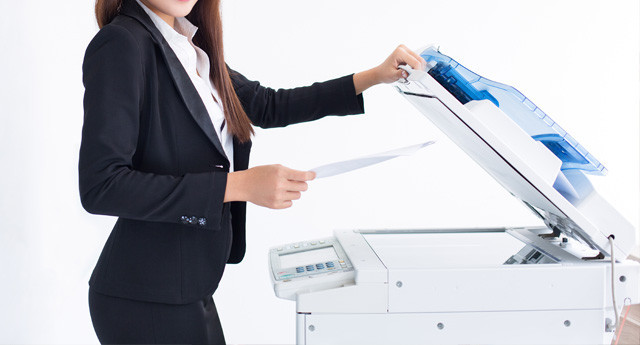
Where to place the printer
Usually, it is not enough to just put the printer somewhere, turn it on, and use it. Regular printer maintenance and choosing a suitable location can affect the printer's lifespan more than you can imagine. In general, the printer should be placed in a location that allows not only easy handling, but also sufficient air circulation. Printers with many moving parts generally do not handle large temperature fluctuations well. Therefore, definitely do not cover the printer with decorative tablecloths, and also eliminate increased dustiness. A large amount of accumulated dust can cause the printer to overheat, but dust can also contribute to the generation of unwanted static electricity.
The opposite situation occurs at low temperatures, which under certain circumstances may cause water condensation after the printer is started. Condensed water on the printer's electronic components may cause a short circuit and damage the printer. A separate issue is excessive air humidity, which can adversely affect the control electronics and may also be responsible for excessive curling of paper when passing through laser printers.
Paper quality
There is no doubt that choosing the right office paper has a direct impact not only on print quality, but also on the lifespan of the printer. We have devoted a separate article to choosing the right paper: How to Choose Office Paper, which will provide you with enough information. However, if we were to briefly summarize some recommendations, in general you should adapt your paper selection to the printing technology (inkjet or toner) and pay attention to the paper parameters listed on the packaging. This will give you information not only about the quality of the paper, but also about what type of printing the given paper is suitable for. Higher-quality papers, among other things, produce significantly less paper dust, which is detrimental to print quality and also reduces the lifespan of the printer.
Print Frequency
The lifespan of the printer and its overall wear and tear are, of course, affected by the frequency of printing.
This mainly concerns inkjet printers, which are intended rather for lower-volume printing. It is therefore generally recommended to print fewer pages at regular intervals. However, with inkjet printers, longer breaks between printing can also cause problems. With irregular or less frequent printing, the ink dries in the nozzles. Running the nozzle cleaning function or printing a test page at least once a week can prevent the ink from drying out. Printers equipped with toner do not have problems with drying out or with longer periods of inactivity.Using cartridges
Another factor that can adversely affect the lifespan of a printer is the use of low-quality alternative ink cartridges. Alternative ink cartridges usually have a different density compared to original ones, which can pose a significant problem for the printer's microscopic nozzles. As a result of poor-quality toner, the print is then less contrasty and the colors do not match the desired color tones. In extreme cases, using a low-quality alternative cartridge may cause permanent damage to the print head.
Printer maintenance is important
If you want to extend the lifespan of your printer, place it in a low-dust area, do not cover it, do not skimp on quality paper and cartridges, and do not subject the printer to intensive high-volume printing.
Prefer more frequent, but less page-intensive document printing. By following these recommendations, your printer should serve you significantly longer.