









- Automotive
- Sanding - Polishing
- One sided adhesive tapes
- Packing tapes
- Coloured - marking tapes
- Electrical tapes
- Office tapes, adhesive tapes
- Slick surface tapes
- Metal adhesive tapes
- Masking crepe tape
- Masking special tapes
- Surface protection tapes
- Foam - sealing tapes
- Anti-slip tapes
- Self-adhesive rubber cut-outs
- Special tapes
- Textile tapes
- Warning and reflective tapes
- Double-sided adhesive tapes
- Electrical insulation material
- Glues
- Materiály pro výrobu technických štítků
- Flexible stoppers, bumpers
- Velcro straps
- Primers - activators - cleaners
- Accessories for adhesives, applicators
 Monitors
 Laptops
 Desktop computers
- Accessories
- Backpacks and laptop bags
- Electronic gadgets
- Ergonomic accessories
- External drives
- Gamepads
- Gaming tables
- Gaming chairs
- Microphones
- Internal drives
- Cables
- Office chairs
- Keyboards
- Mice
- Power supplies
- Memory cards
- Mouse pads
- Markers
- Projectors and accessories
- Mobile phone accessories
- Speakers
- Keyboard and mouse sets
- Headphones
- USB Flash discs
- Gaming steering wheels
- Scales
- Webcams
Plastic card printers
Plastic cards are now used practically everywhere. A glance into our own wallet quickly convinces us of the truth of these words. Our card collection certainly includes various contractual, insurance, club, discount, or promotional plastic cards.
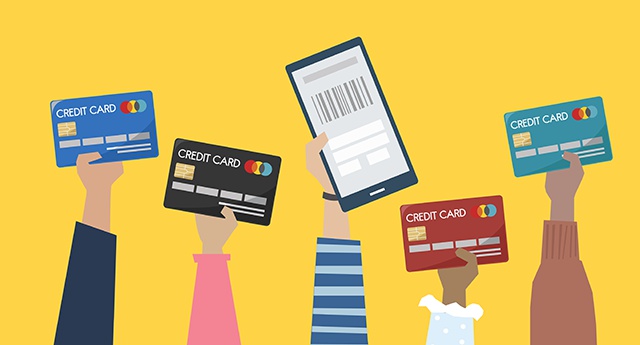
The scope for using cards is, of course, much broader. We can mention transport cards used in public transport, meal cards, and last but not least plastic cards with loyalty programs, which help manufacturers or retail chains keep up not only with trends, but also with their competition. Loyalty cards can also piece together a fairly solid mosaic of a customer's consumer habits or preferences, which can result in a more targeted marketing offer and, ultimately, higher profit.
Plastic cards can handle more than just marketing challenges
Plastic cards with a magnetic stripe or a contactless chip do not have to remain solely a tool for supporting merchants' competitiveness.
They can easily have higher technological ambitions as well. This concerns in particular identification cards enabling fast and reliable identification of the cardholder, as well as smart access cards that allow selected persons to enter ordinary or protected company premises. The list of uses for plastic cards would still be quite long, but what is much more important is that plastic cards, as an effective marketing tool, can at any time become your ace up your sleeve. You only need to choose the right model of plastic card printer.Evolis and Zebra plastic card printers? Good choice
The printer selection is diverse. A sensible choice may be printers from the Evolis and Zebra brands, which offer a range of compact models for full-color and monochrome thermal transfer or retransfer card printing. Printers with indirect retransfer printing are the ideal answer to the most demanding requirements when the printing of plastic cards should approach photographic quality. Standard print quality requirements are met by direct thermal printer models. Otherwise, with the printers you can rely on intuitive, simple operation that will not cause problems even for less technically skilled users.
With Windows drivers, designing prints for Zebra printers is uncomplicated, and if you know what logo, photos, text, barcodes, or other information should appear on your plastic card, you can hold the finished card in your hands in just a few minutes. The Evolis printers certainly won't be a disappointment either. What we have not yet mentioned, however, is that when selecting printers, it will be advisable to focus on the volumes of cards these devices are capable of printing and on the possibility of duplex, i.e. double-sided, printing.
Choose a printer that will be tailored to your needs
The actual print volume is logically one of the deciding criteria when selecting a device. The reason is obvious. Not every plastic card printer is built to handle large volumes.
Printing 400 or 500 plastic cards per year can be easily handled by printers from the Evolis Zenius Classic or Zebra ZXP Series 3 model lines, but dealing with several thousand cards is already a task for more robust printer models, such as the Zebra ZXP Series 7, Evolis Primacy, or Evolis Expert. The Evolis Quantum2 printers seem like they are from another world, capable of printing more than 1,000 black-and-white cards or approximately 125 color cards in 1 hour.
As for duplex printing, you don't need to worry about it if you plan to print only on one side of the cards and won't change your decision in the near future. Likewise, you do not need to concern yourself with duplex printing in cases where you will need to issue double-sided printed plastic cards, but the quantity will be so negligible that manually turning and inserting the cards into a single-sided printer will not be a problem. For all other alternatives, that is, when printing plastic cards in the hundreds or thousands per year, anything other than duplex printing is out of the question.