









- Automotive
- Sanding - Polishing
- One sided adhesive tapes
- Packing tapes
- Coloured - marking tapes
- Electrical tapes
- Office tapes, adhesive tapes
- Slick surface tapes
- Metal adhesive tapes
- Masking crepe tape
- Masking special tapes
- Surface protection tapes
- Foam - sealing tapes
- Anti-slip tapes
- Self-adhesive rubber cut-outs
- Special tapes
- Textile tapes
- Warning and reflective tapes
- Double-sided adhesive tapes
- Electrical insulation material
- Glues
- Materiály pro výrobu technických štítků
- Flexible stoppers, bumpers
- Velcro straps
- Primers - activators - cleaners
- Accessories for adhesives, applicators
 Monitors
 Laptops
 Desktop computers
- Accessories
- Backpacks and laptop bags
- Electronic gadgets
- Ergonomic accessories
- External drives
- Gamepads
- Gaming tables
- Gaming chairs
- Microphones
- Internal drives
- Cables
- Office chairs
- Keyboards
- Mice
- Power supplies
- Memory cards
- Mouse pads
- Markers
- Projectors and accessories
- Mobile phone accessories
- Speakers
- Keyboard and mouse sets
- Headphones
- USB Flash discs
- Gaming steering wheels
- Scales
- Webcams
How to choose filament for a 3D printer? PLA, PETG, ABS and other materials clearly explained
3D printing is more accessible today than ever before. Whether you print at home, at school, in a workshop or in a company, the right 3D printer filament has a crucial impact on the quality of the result, the strength of the print, and the comfort of the printing process itself.
Many users face the same question: Which filament should you choose? PLA, PETG, ABS, or another material?
In this clear article, we will show you the differences between the most commonly used filaments and advise you on which material is right for you.
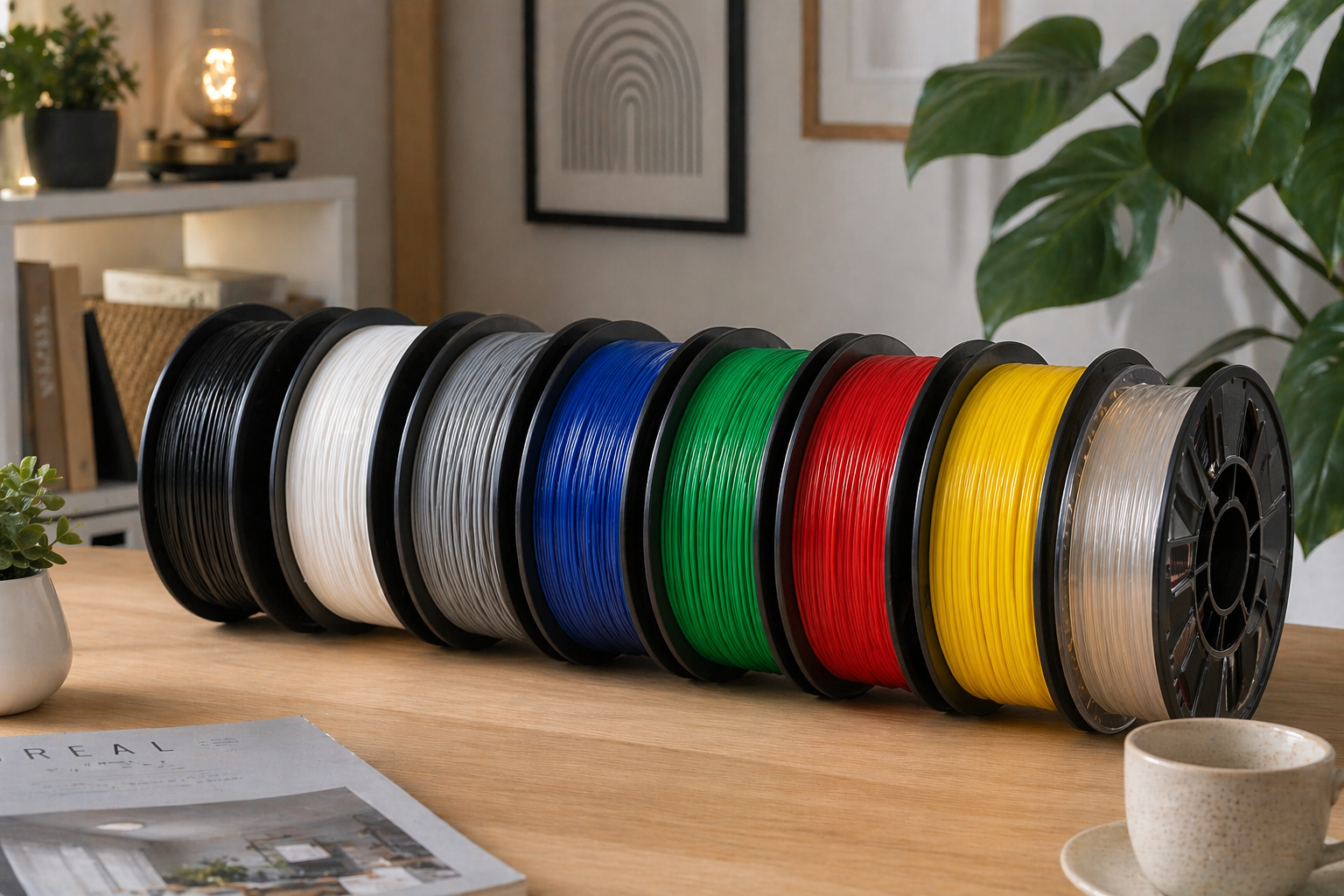
What is 3D printer filament?
Filament is a printing material in the form of a string wound on a spool, which is used in FDM / FFF 3D printers. During printing, it heats up in the nozzle and creates the final model layer by layer.
The most commonly used diameter is:
- 1.75 mm – the most common variant
- 2.85 mm – less common use
When choosing, it is important to consider not only the diameter, but also the material properties.
So let's take a look at which filament is ideal for you.PLA filament – ideal for beginners
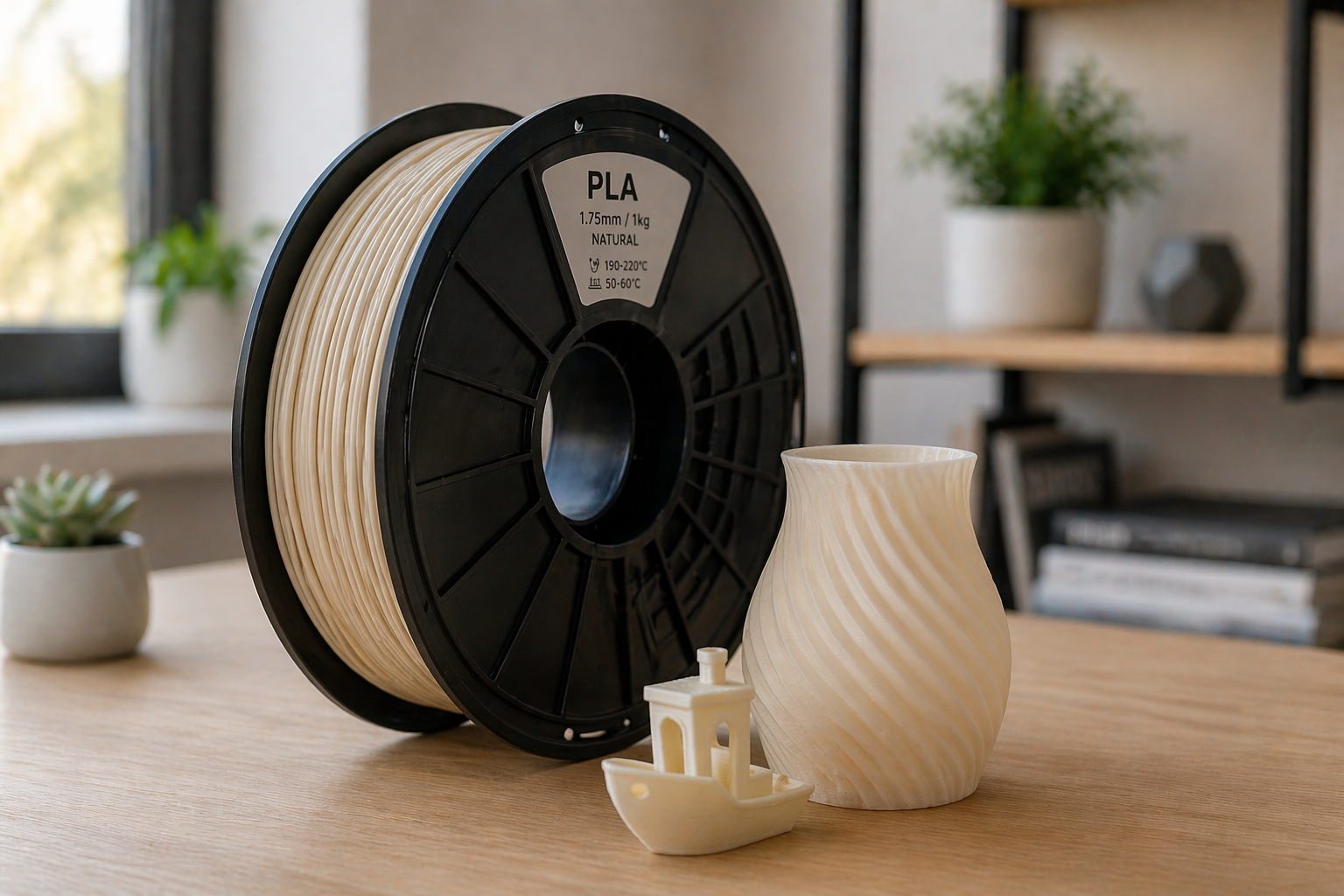
PLA filament is among the most popular materials for 3D printing and is often the first choice for beginners as well as more experienced users. It is suitable for everyday printing of a wide range of models and, thanks to its easy processing, it is used in homes, schools, and workshops. PLA filament is a universal material that has gained popularity across the entire world of 3D printing.
Suitable uses:
- decorations
- models
- prototypes
- toys
- common household prints
PETG filament – strength and versatility
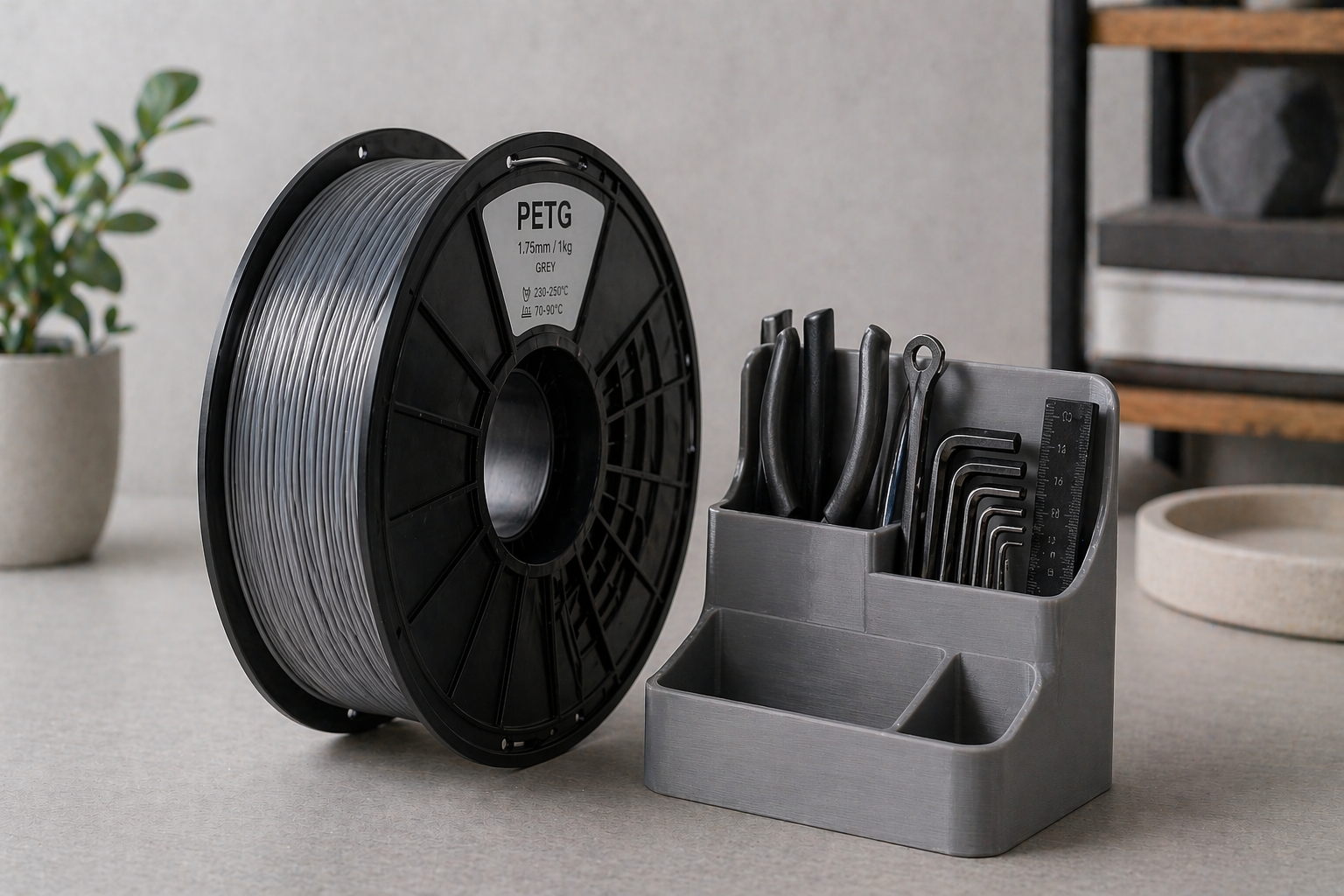
PETG filament is very popular among more advanced users.
It offers better mechanical resistance than PLA while also being easier to print than ABS. PETG filament is versatile and has wide applications. It is suitable for printing functional parts, practical products as well as models intended for everyday use. PETG filament is often the choice of users looking for a material suitable for the home, workshop, and technical projects.Suitable use:
- holders
- technical components
- boxes
- workshop parts
- outdoor use
ABS filament – technical material
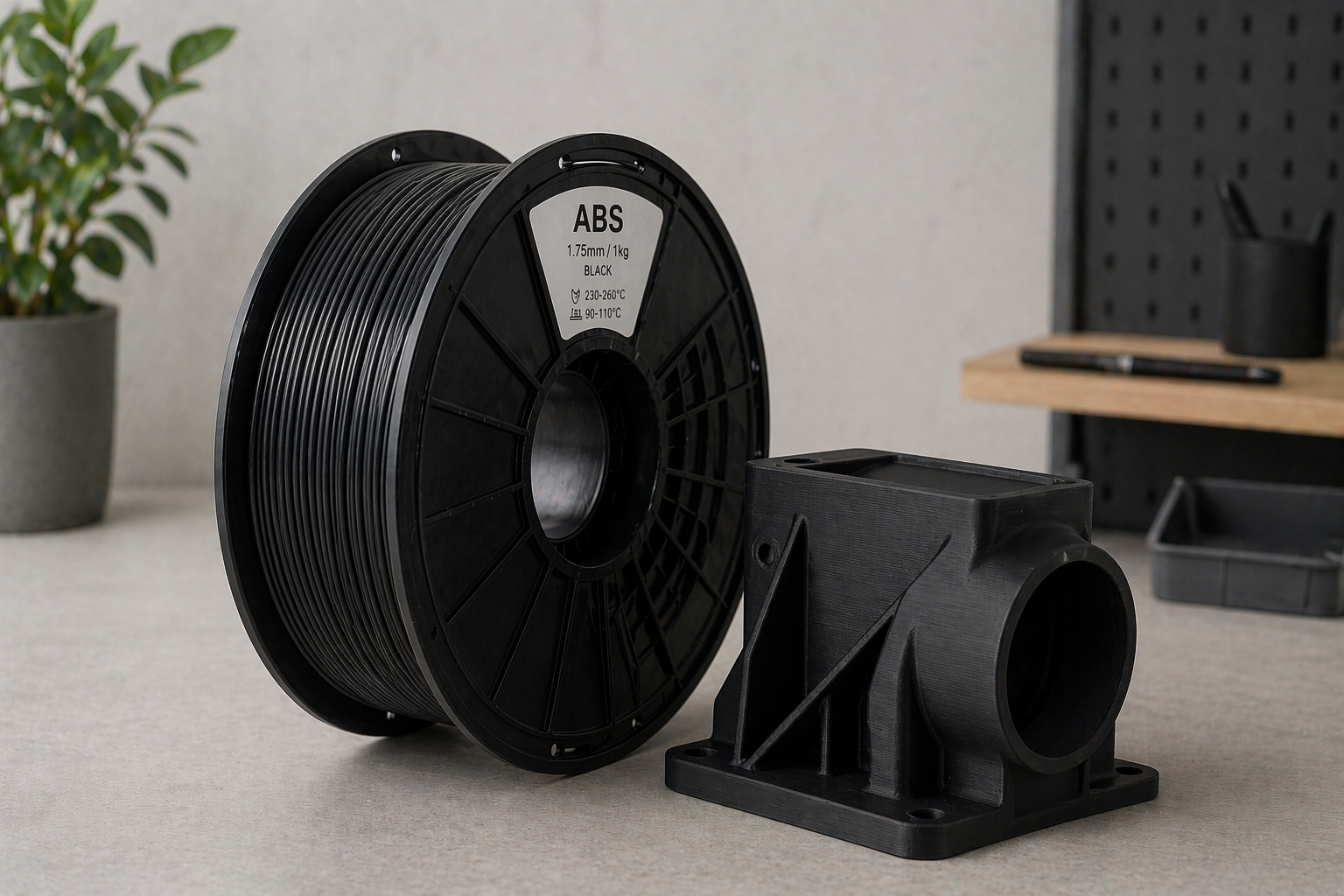
ABS filament is among the well-known and long-used materials for 3D printing, especially where emphasis is placed on strength and technical use. It is popular among more advanced users, DIY enthusiasts, and professionals. ABS filament is often used in the production of functional models, structural parts, and practical components.
Suitable uses:
- technical parts
- device covers
- functional components
TPU filament – flexible material
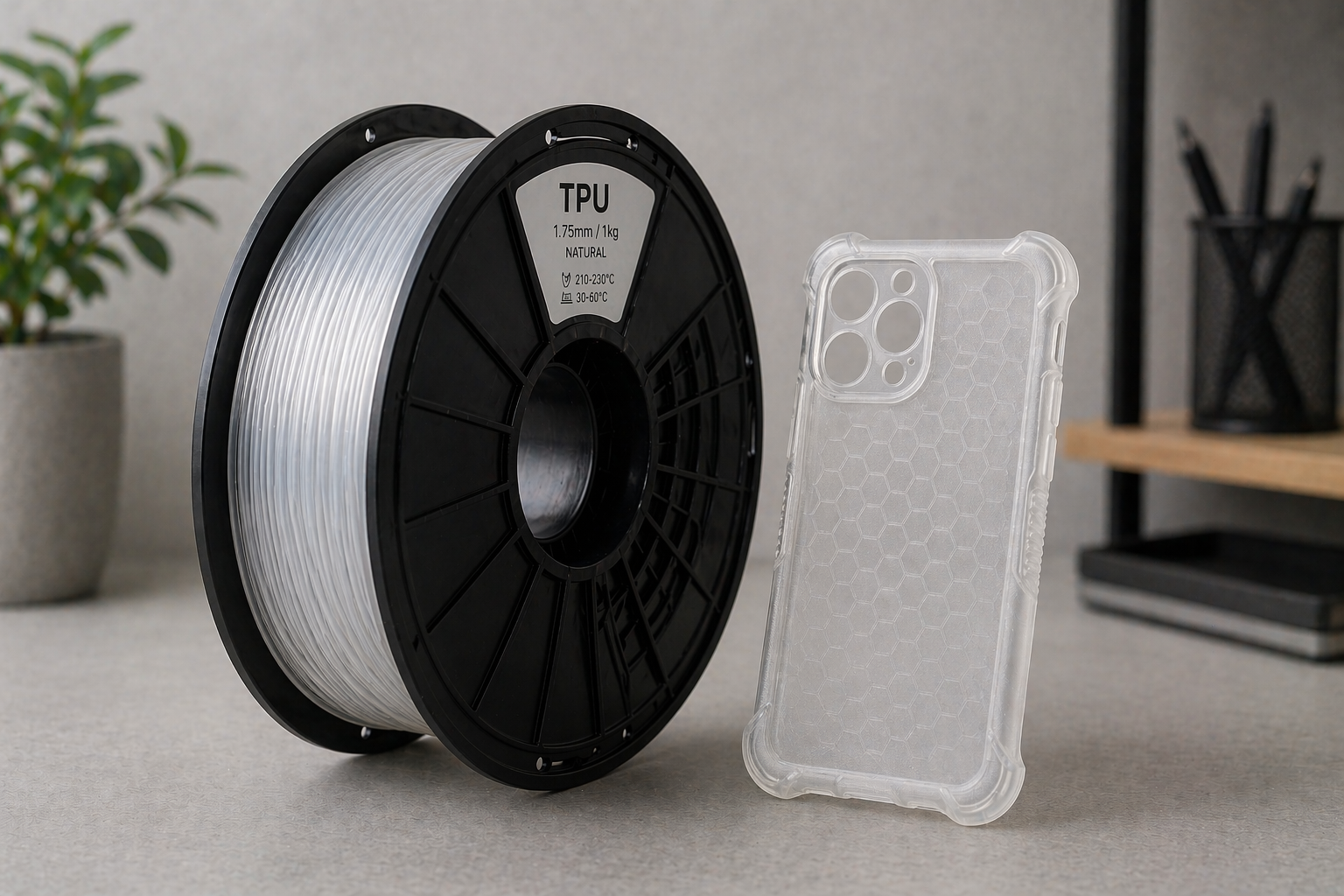
TPU filament is a popular flexible material for 3D printing, which is used wherever flexibility and durability are needed during use.
Thanks to its specific properties, it is sought after both among 3D printing enthusiasts and in technical and practical projects. TPU filament expands the possibilities of 3D printing to include the production of soft and flexible prints.Suitable uses:
- seals
- packaging
- flexible components
- protective elements
3D printing filaments from trusted manufacturers
Today, you can find a wide range of 3D printing filaments on the market from various manufacturers offering materials for beginners as well as demanding users.
Popular brands include Professional Lab, Smart Print, C-Tech, Gembird and Spectrum. Each manufacturer offers different types of materials, color options, and properties suitable for home, technical, and professional 3D printing.Are you storing your 3D filaments properly?
Did you know that proper storage of filaments has a major impact on print quality? Moisture can negatively affect printing, the model surface, and the overall result of your project.
Therefore, we recommend:
- store filament in a dry place
- seal spools in boxes or bags
- use silica gel packets
So how do you choose the right filament?
If you are starting out with 3D printing and are looking for a versatile material, PLA filament is often an excellent choice. If you need higher durability and more practical use, choose PETG. For technical and more demanding use, ABS or other specialized materials are often chosen.
The right filament can save you time, material, and unnecessary trouble during printing. The best choice is always the material that matches what you actually want to print.
Bára from CDRmarket