









- Automotive
- Sanding - Polishing
- One sided adhesive tapes
- Packing tapes
- Coloured - marking tapes
- Electrical tapes
- Office tapes, adhesive tapes
- Slick surface tapes
- Metal adhesive tapes
- Masking crepe tape
- Masking special tapes
- Surface protection tapes
- Foam - sealing tapes
- Anti-slip tapes
- Self-adhesive rubber cut-outs
- Special tapes
- Textile tapes
- Warning and reflective tapes
- Double-sided adhesive tapes
- Electrical insulation material
- Glues
- Materials for the production of technical labels
- Flexible stoppers, bumpers
- Velcro straps
- Primers - activators - cleaners
- Accessories for adhesives, applicators
 Monitors
 Laptops
 Desktop and gaming computers
- Accessories and Add-ons
- Backpacks and laptop bags
- Electronic gadgets
- Ergonomic accessories
- External drives
- Gamepads
- Gaming chairs
- Microphones
- Internal drives
- Cables
- Office chairs
- Keyboards
- Mice
- Power supplies
- Memory cards
- Mouse pads
- Projectors and accessories
- Mobile phone accessories
- Speakers
- Keyboard and mouse sets
- Headphones
- USB Flash discs
- Gaming steering wheels
- Scales
- Webcams
Hand Sanding
Hand sanding: Precise surface finishing even in hard-to-reach places
Hand sanding provides greater control over the worked area and is suitable wherever machine sanding is not practical or sufficiently precise.
Abrasive sheets, sponges, and nonwoven materials can be used for sanding, matting, cleaning, blending, and finishing surfaces in the workshop, manufacturing, service, or during renovations.Various abrasive designs make it possible to adapt the work to the shape of the surface as well as the required intensity of processing. Rigid sheets are suitable for flatter surfaces, sanding sponges adapt better to edges and profiles, and Scotch-Brite materials are useful for finer finishing, cleaning, or blending the surface.

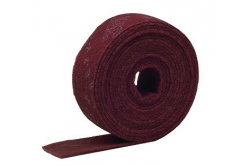
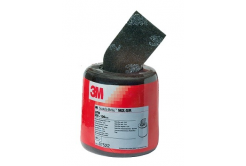
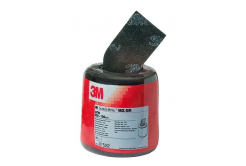
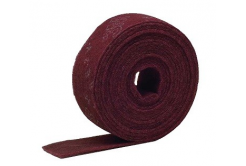
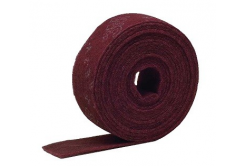


What does manual sanding offer?
- Good control over the surface: Manual guidance of the abrasive allows for more precise work on smaller areas, edges, corners, and intricate parts.
- Various degrees of finishing: Depending on the grit and type of material, both more intensive grinding and fine finishing work can be carried out.
- Adaptation to the shape of the part: Sponges and more flexible abrasive materials are also suitable for curved or profiled surfaces.
- Wide range of applications: Hand abrasives are used in the processing of metals, painted surfaces, plastics, and other materials depending on the intended use of the specific product.
From removing unevenness to fine finishing
Hand sanding can be used at various stages of processing. Coarser abrasives help remove irregularities or prepare the surface for further work, while finer grits and non-woven materials are suitable for smoothing, matting, and final surface blending.
When machine sanding is more suitable
On larger surfaces or for repetitive work, manual sanding can be supplemented with machine processing.
For the even preparation of larger surfaces, you can also use discs for orbital sanders, which are designed for more efficient work with power tools.Keep safety in mind when sanding
Dust and small particles may be generated when working on the material. Therefore, depending on the nature of the work, do not forget suitable PPE protective equipment, which helps protect eyesight, hearing, or the respiratory tract.
Choose materials for hand sanding according to the surface, the required grit, and the working method, and gain greater control over every step of the finishing process.