









- Automotive
- Sanding - Polishing
- One sided adhesive tapes
- Packing tapes
- Coloured - marking tapes
- Electrical tapes
- Office tapes, adhesive tapes
- Slick surface tapes
- Metal adhesive tapes
- Masking crepe tape
- Masking special tapes
- Surface protection tapes
- Foam - sealing tapes
- Anti-slip tapes
- Self-adhesive rubber cut-outs
- Special tapes
- Textile tapes
- Warning and reflective tapes
- Double-sided adhesive tapes
- Electrical insulation material
- Glues
- Materiály pro výrobu technických štítků
- Flexible stoppers, bumpers
- Velcro straps
- Primers - activators - cleaners
- Accessories for adhesives, applicators
 Monitors
 Laptops
 Desktop computers
- Accessories
- Backpacks and laptop bags
- Electronic gadgets
- Ergonomic accessories
- External drives
- Gamepads
- Gaming tables
- Gaming chairs
- Microphones
- Internal drives
- Cables
- Office chairs
- Keyboards
- Mice
- Power supplies
- Memory cards
- Mouse pads
- Markers
- Projectors and accessories
- Mobile phone accessories
- Speakers
- Keyboard and mouse sets
- Headphones
- USB Flash discs
- Gaming steering wheels
- Scales
- Webcams
Discover the advantages offered by retransfer card printing
Direct printing of cards onto a hard plastic surface is often associated with significantly limited image quality. Thanks to retransfer card printing, however, you can forget about blurry images and dull graphics. Special technology guarantees optimal color intensity and uniformity for perfect printing results.
How retransfer card printing works
Retransfer printing uses a process called reverse thermal transfer. It consists of the mirror-image transfer of the image from the printing color ribbon onto the transparent layer of the flexible retransfer film and the subsequent transfer of the film, together with the given image, using heat and pressure onto the card itself.
At the same time, the entire foil layer is thermally bonded to the surface of the card, while the printed image remains on the underside of the foil inside the card. The surface finish of the card printed in this way is borderless and glossy. The retransfer film also replaces lamination and protects the card print from smudging or fading. Cards printed in this way can also be equipped with security features, such as a hologram, UV invisible printing, a signature panel, a scratch-off layer, etc.
Where retransfer printing is used
Retransfer card printing is a very popular and frequently used printing method in various fields.
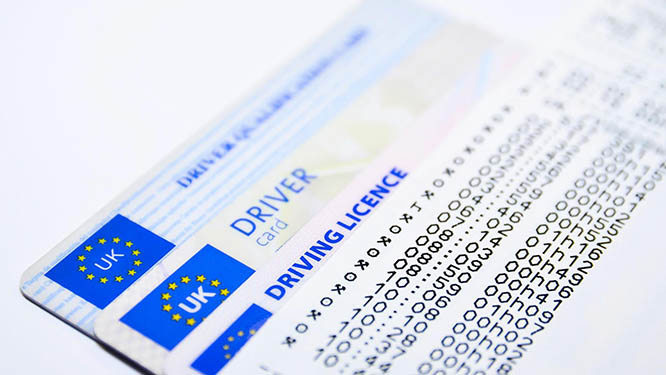
It is excellently suited for use, for example:- in public administration – ID cards, voter cards, and driver’s licenses, identity cards
- health insurance cards, travel insurance
- membership cards, access cards, employee cards, cards for drawing perks and benefits
- customer cards, loyalty cards
- in the private business sector – striking graphics with faithful color reproduction effectively represent the given brand
- in manufacturing, retail and financial institutions
The advantages of retransfer printing will pleasantly surprise you
- Superior image quality
There are industries where high-quality card printing is literally a necessity.
Retransfer printing technology ensures unmatched final photo quality for full-color and monochrome edge-to-edge printing, giving users the ability to truly use the entire surface of the card for a more professional appearance.The image is first transferred onto a film, which may be slightly larger than the card itself, so when the film is transferred onto the card, the surface of the card, including the edges and rounded corners, is subsequently covered. For example, Zebra's innovative reverse thermal transfer process delivers outstanding card image quality that exceeds customer expectations. Margins, blurry images, and dull graphics thus become a thing of the past.
- High durability and longevity of card printing
Retransfer technology (e.g. retransfer printers from Evolis, Zebra, and others) guarantee high print quality and the ability to print even on uneven card surfaces, for example on chip cards or cards that are not made of PVC. This results in cards that are much more resistant to abrasion, lasting much longer than traditionally used materials, and their durability exceeds that achievable with comparable direct-to-card printing.
- Natural protection against unauthorized tampering
The retransfer film also provides protection against counterfeiting and unauthorized tampering in general, because any interference is immediately visible on it.
If someone attempts to tamper with the data on the card, they will also damage the foil. Given its characteristics, however, it is almost impossible to repair it, or rather, use repeatedly. This ensures the protection of all data across the entire surface of the card.- Option to use security features
Use of elements such as UV or holographic foil for image retransfer, etc.
, to achieve a higher level of security, is a matter of course in retransfer card printing. Retransfer is the only printing technology that offers a wide range of encoding options and protection against counterfeiting of users' chip cards. An example is the possibility of laminating cards with contact chips, holographic images, or a magnetic stripe.- Wide selection of card materials
An advantage of retransfer printing is also the fact that the process is relatively insensitive to the card material.
This fact provides great freedom in the selection of cards while preserving all specific pricing and application requirements. This allows you to print high-quality graphics on a wide range of materials, including eco-friendly, biodegradable cards.- Reduced printhead costs
In conventional printers, the printhead is in close contact with the hard surface of the card during printing, resulting in excessive wear.
Printing near the edges of the card does not benefit it either, as it often leads to its damage. In contrast, retransfer printers print onto a soft film, which significantly extends the lifespan of the printhead.How to choose a retransfer printer
If you are looking for a high-quality retransfer printer, a suitable choice could be, for example, a printer from the Evolis or Zebra brand.
You can choose from a wide range of compact models for full-color and monochrome retransfer card printing. Choose the almost photographic print quality of plastic cards.