









- Automotive
- Sanding - Polishing
- One sided adhesive tapes
- Packing tapes
- Coloured - marking tapes
- Electrical tapes
- Office tapes, adhesive tapes
- Slick surface tapes
- Metal adhesive tapes
- Masking crepe tape
- Masking special tapes
- Surface protection tapes
- Foam - sealing tapes
- Anti-slip tapes
- Self-adhesive rubber cut-outs
- Special tapes
- Textile tapes
- Warning and reflective tapes
- Double-sided adhesive tapes
- Electrical insulation material
- Glues
- Materials for the production of technical labels
- Flexible stoppers, bumpers
- Velcro straps
- Primers - activators - cleaners
- Accessories for adhesives, applicators
 Monitors
 Laptops
 Desktop and gaming computers
- Accessories and Add-ons
- Backpacks and laptop bags
- Electronic gadgets
- Ergonomic accessories
- External drives
- Gamepads
- Gaming tables
- Gaming chairs
- Microphones
- Internal drives
- Cables
- Office chairs
- Keyboards
- Mice
- Power supplies
- Memory cards
- Mouse pads
- Projectors and accessories
- Mobile phone accessories
- Speakers
- Keyboard and mouse sets
- Headphones
- USB Flash discs
- Gaming steering wheels
- Scales
- Webcams
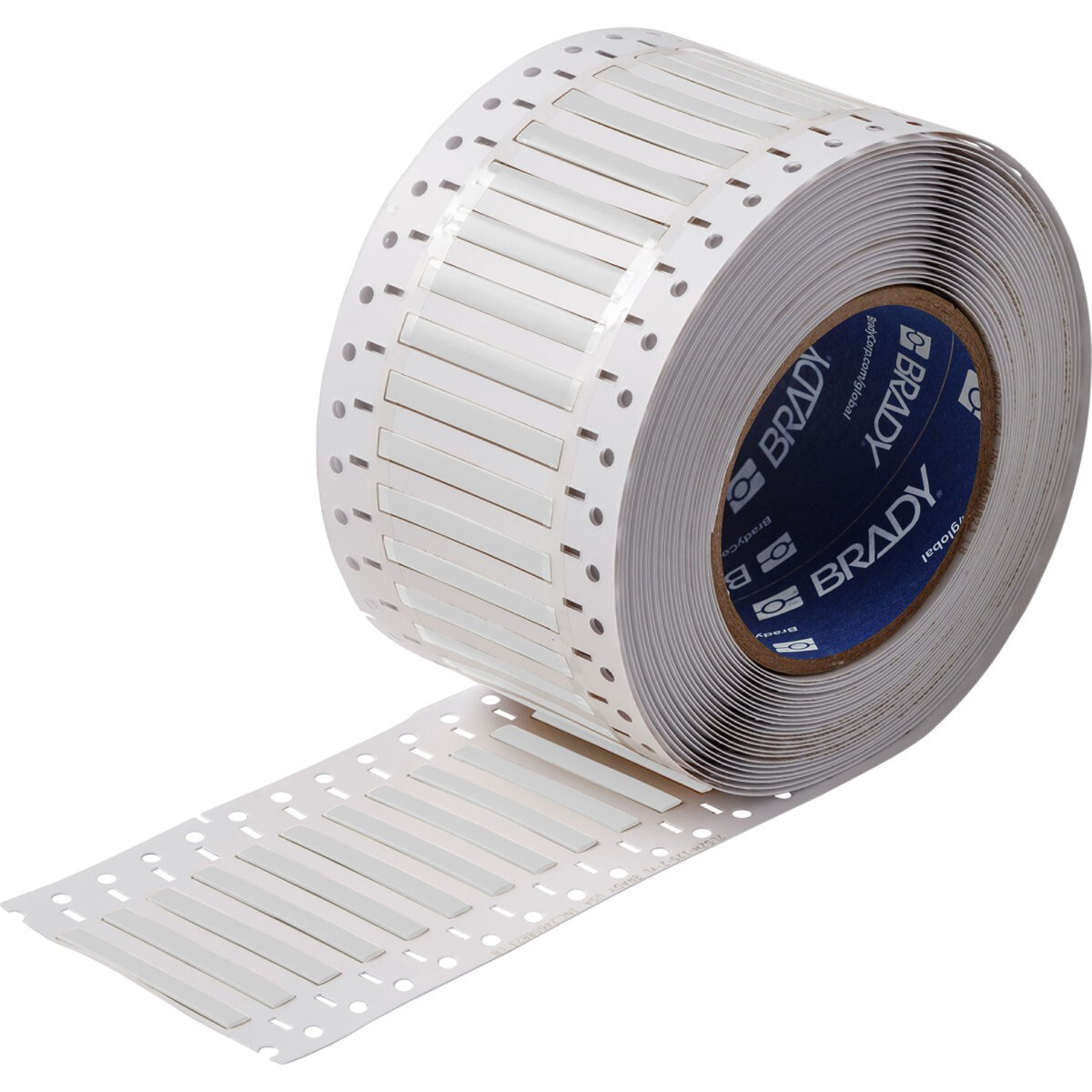
Brady LSZH-125-2-WT-2 / 141213, labels, THT Low Smoke Halogen Free Permasleeve Wire Marking Sleeves, 25.40 mm x 6.00 mm
Parameters
Product description
Professional cable and wire marking requires materials that meet the highest safety standards and remain legible throughout the entire service life of the installation. Original Brady LSZH-125-2-WT-2 / 141213 tapes are designed specifically for demanding environments in the energy, telecommunications, and industrial sectors, where minimizing risks in the event of a fire is crucial. These labels belong to the Low Smoke Halogen Free (LSZH) category, which means that in the event of a fire they do not emit toxic halogen gases or dense smoke. This property is essential for use in enclosed spaces, buildings with high occupancy density, or critical infrastructure, where it is necessary to maintain visibility during evacuation and minimize risks to human health.
The Permasleeve surface treatment ensures exceptional adhesion to the cable surface and resistance to abrasion, moisture, and chemicals. The material is a flexible and mechanically strong polyolefin that easily adapts to the shape of the conductor. For printing, it is necessary to use thermal transfer technology (TTR) with a suitable ribbon, which ensures a sharp, high-contrast, and durable result. The white label background provides excellent readability of text and symbols, making it easier to quickly identify conductors during service work or inspections. Dimensions of 25.40 mm x 6.00 mm are a standard size that easily fits most common types of cables and provides sufficient space for recording important information such as circuit numbers, voltage, or a function description.
- Type: Original Brady consumable material
- Background color: White for optimal readability
- Material: Polyolefin with Permasleeve layer
- Printing technology: Thermal transfer printing (TTR ribbon)
- Label width: 25.4 mm
- Label height: 6 mm
- Number of labels per pack: 5,000 pieces
The package contains 5,000 labels, ensuring long-lasting use and cost-effectiveness for larger projects.
The reliability of the Brady brand is guaranteed by a range of certifications and tests that confirm compliance with the strictest international standards. With these tapes, you will achieve a professional-looking installation and the assurance that the labeling will remain legible and secure for decades. Investing in high-quality cable labeling pays off in the form of reduced operating costs, faster fault resolution, and a higher level of safety for the entire system.
