









- Automotive
- Sanding - Polishing
- One sided adhesive tapes
- Packing tapes
- Coloured - marking tapes
- Electrical tapes
- Office tapes, adhesive tapes
- Slick surface tapes
- Metal adhesive tapes
- Masking crepe tape
- Masking special tapes
- Surface protection tapes
- Foam - sealing tapes
- Anti-slip tapes
- Self-adhesive rubber cut-outs
- Special tapes
- Textile tapes
- Warning and reflective tapes
- Double-sided adhesive tapes
- Electrical insulation material
- Glues
- Materiály pro výrobu technických štítků
- Flexible stoppers, bumpers
- Velcro straps
- Primers - activators - cleaners
- Accessories for adhesives, applicators
 Monitors
 Laptops
 Desktop computers
- Accessories
- Backpacks and laptop bags
- Electronic gadgets
- Ergonomic accessories
- External drives
- Gamepads
- Gaming tables
- Gaming chairs
- Microphones
- Internal drives
- Cables
- Office chairs
- Keyboards
- Mice
- Power supplies
- Memory cards
- Mouse pads
- Projectors and accessories
- Mobile phone accessories
- Speakers
- Keyboard and mouse sets
- Headphones
- USB Flash discs
- Gaming steering wheels
- Scales
- Webcams
1.part - Summer photo special - printers for photo printing
Do you have lots of photos on your computer or camera at home that you would like to have on paper? We have prepared a three-part series for you in which we will gradually introduce you to the options available to you when printing photographs from the comfort of your home.
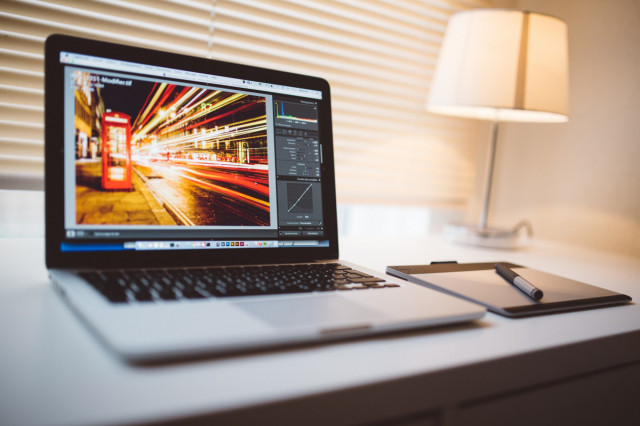
Printing technologyIf you are planning to print the photos at home on your printer, we recommend spending a little time on them and editing them. Nobody is perfect, and our photos are proof of that. If the photo doesn’t have quite the same flair as the real-life original, there’s nothing easier than making a slight adjustment in a photo editing program. You can do it even if you're not a pro, and you don't even have to buy expensive professional software. There are simple photo editing programs available online, without downloading. A moment spent in the photo editor will turn your photos into works of art that will practically print themselves :).
Printing technology is the most important factor in photo printing, and it has a really significant impact on your photos. So let's take a closer look at each printer.
Laser Printer
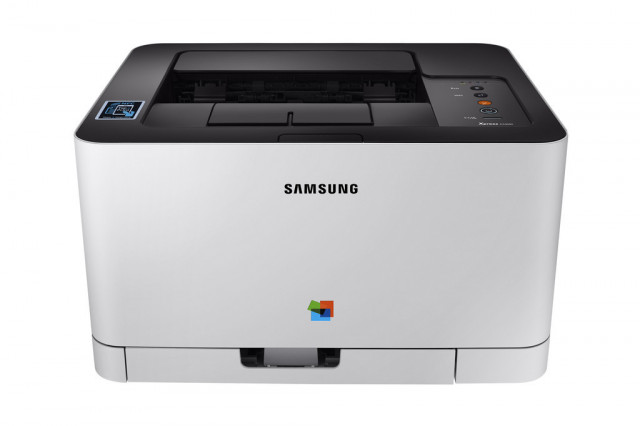
Of all printing technologies, laser is probably the least suitable. Are you asking yourself why? It’s simple, imagine that you are painting a picture with chalks. The picture will certainly be truly beautiful, but chalks that contain solid particles will not create such great color depth and detail for you as when you paint with a brush. This also applies to a laser printer, because toner is a solid powder that is only fused onto the paper, so the resulting photograph looks a bit flat, but if you are not particularly demanding or a professional photographer planning an exhibition in a gallery, photos from a laser printer will serve you well.
| Compatible toners at great prices -here- |
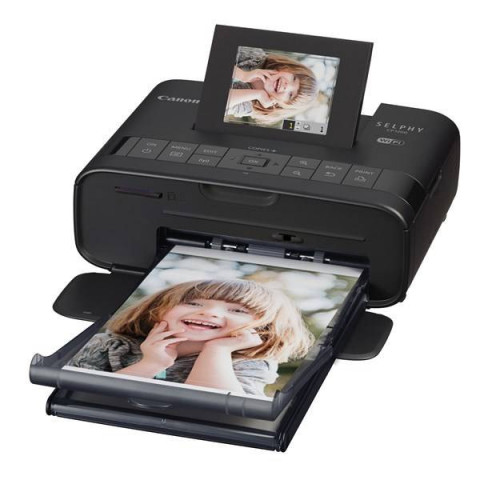
Thermal sublimation printers operate on the principle of sublimation (a change of state from solid to gaseous without a liquid intermediate stage). The color is applied to the cellophane tape across the entire width of the paper. The print head heats the ribbon, causing the ink to change state and transfer onto the paper. Once the dye is transferred onto the paper, it changes back into a solid state. The colors are gradually layered over one another, creating a unique depth that results in a truly high-quality print.It is printed on special paper, which is supplied together with the coloring foil. During printing, the coloring foil is always rendered unusable, and therefore a new foil is used for each print. Dye-sublimation printers are designed specifically for printing photographs. The advantages of this printer are apparent even at first glance. The already mentioned excellent color depth, UV protection, or the long lifespan of the photo. However, the selection of consumables is worse. You don't have much choice in this case. Either you can adapt to the only photo format that can be printed on a dye-sublimation printer and pay a higher amount for cartridges and special paper, or you simply won’t get a dye-sublimation printer.
Inkjet printer
Inkjet printers offer very high-quality photos, second only to dye-sublimation printers.
It also depends on the number of color cartridges the printer uses. The more individual color cartridges there are, the better photos you can print with the printer. The advantages of an inkjet printer are evident both from a technical standpoint and from a visual standpoint. You can choose different sizes of photo paper, the print quality is high, the photos look beautiful, and in addition, all inkjet printer manufacturers count on the possibility of printing directly from a camera or from a mobile phone. If you are just about to buy a printer, you can choose a photo printer designed only for photos, or buy a multifunction inkjet printer right away, with which you can not only print photos and documents, but also copy and scan. The disadvantage of printing photos on an inkjet printer, however, is the fact that the photo has no protection, unlike one from a dye-sublimation printer. But unlike a dye-sublimation printer, printing photos at home with an inkjet printer is cheaper.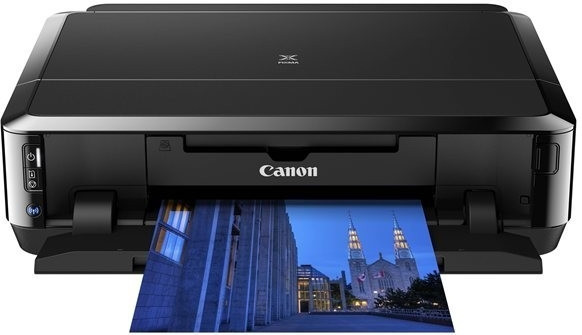
| Compatible cartridges at great prices -here- |