









- One sided adhesive tapes
- Packing tapes
- Coloured - marking tapes
- Electrical tapes
- Office tapes, adhesive tapes
- Slick surface tapes
- Metal adhesive tapes
- Masking crepe tape
- Masking special tapes
- Surface protection tapes
- Foam - sealing tapes
- Anti-slip tapes
- Self-adhesive rubber cut-outs
- Special tapes
- Textile tapes
- Warning and reflective tapes
- Double-sided adhesive tapes
- Electrical insulation material
- Glues
- Flexible stoppers, bumpers
- Velcro straps
- Primers - activators - cleaners
- Accessories for adhesives, applicators
How to choose filament for 3D printers
3D printing is fascinating for its seemingly unlimited possibilities. However, for the result to turn out as expected, it is important to choose suitable printing filaments, so-called filaments. Each filament has its own unique properties and uses. Let's talk more about how to choose the right one.
What is 3D filament
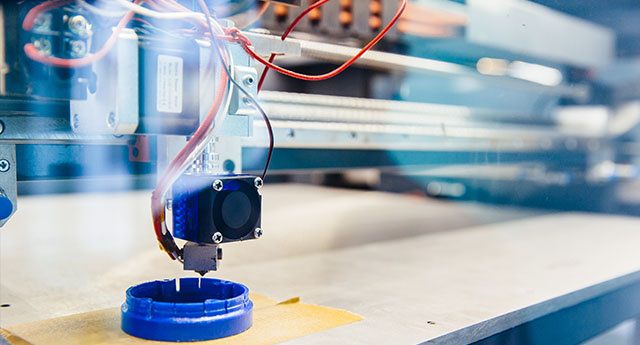
3D filament, or printing filament, is a printing material for a 3D printer used to create products. These are essentially fibers in the form of a string wound onto a spool. 3D filaments are made from various materials depending on the properties required of the plastic filament for 3D printing.
They are mostly made of pure plastic, however, there are also plastic fibers with additives. An interesting alternative is represented by those that are based on an entirely different material. In our assortment, you will find printing filaments made from various materials, such as ABS, PETG, PLA, and others.
How to choose filament for your printer
The choice of printing filament depends on the printer you want to print on.
Every 3D printer has its specific characteristics that you need to take into account even before choosing the right printing filament. The most important thing to keep in mind when choosing a filament is the intended use of the object. The choice of printing filament depends on the function of the object you print.Tips for choosing the right printing filament
When choosing filament for a 3D printer, you should take the following factors into account:
- Required filament diameter - it is often 1.75 mm, but it can also be 2.85 mm.
- Print nozzle material - the most common are brass nozzles, which are used for printing common materials such as PLA, ABS, and nylon. If you want to use abrasive or corrosive materials, it is better to choose a nozzle, for example. made of stainless steel.
- Maximum printer extruder temperature - each filament melts at a different temperature. For example, PLA has a printing temperature of 190 °C to 230 °C, while ABS temperature ranges around 230 °C–260 °C.
- Presence of a heated bed - for some filaments, it is recommended to have a heated bed to prevent parts from separating (e.g. for ABS filaments).
Choose the filament according to what you want to print
The choice of a suitable printing filament also largely depends on the objects you want to create and the properties they should have:
- Mechanical properties
Before choosing a filament, it is necessary to know what you will use the 3D object for.
For example, for contact with food, choose a PET-based filament. For a strong and durable object, we recommend choosing polycarbonate or ABS filaments; for a flexible print result, TPU- or TPE-based materials will be more suitable.- Aesthetic properties
Depending on what kind of 3D object you want, choose the filament accordingly.
It can be, for example, matte, glossy, or translucent. Currently, there is a whole range of hybrid materials available, which generally consist of PLA and another material. Thanks to this, they give the filament a completely different surface finish, color, or texture.- Environmental properties
When melted, some plastics release toxic volatile organic compounds, which can be dangerous over the long term in enclosed environments.
You should also check whether your filament is sensitive to moisture and whether it produces any odor: in a living space, prefer PLA, PHA, or PET.