









- One sided adhesive tapes
- Packing tapes
- Coloured - marking tapes
- Electrical tapes
- Office tapes, adhesive tapes
- Slick surface tapes
- Metal adhesive tapes
- Masking crepe tape
- Masking special tapes
- Surface protection tapes
- Foam - sealing tapes
- Anti-slip tapes
- Self-adhesive rubber cut-outs
- Special tapes
- Textile tapes
- Warning and reflective tapes
- Double-sided adhesive tapes
- Electrical insulation material
- Glues
- Flexible stoppers, bumpers
- Velcro straps
- Primers - activators - cleaners
- Accessories for adhesives, applicators
How should products and materials be labeled and stickered?
When two people do the same thing, it is not always the same thing. An old, well-known saying points to the experience that if two people do the same activity, the result is usually always different. We can easily apply this saying to labels intended for marking materials, products, and goods. The capabilities or options of labels differ, so in this case as well, the resulting effect during labeling may be completely different.
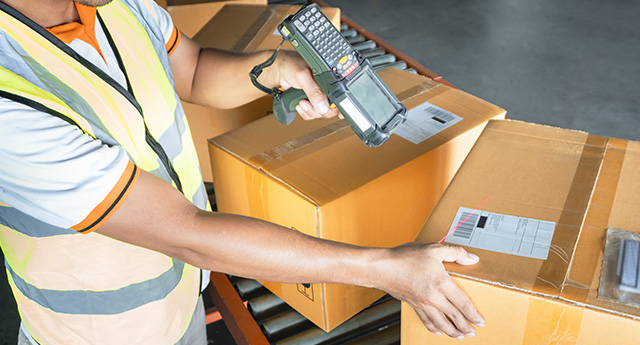
Self-adhesive labels carry important information. They are used to identify products, items, packaging, parcels, or envelopes, but they can also warn of danger or attract attention as part of advertising activities. These are, of course, only some of the most common applications; the possibilities for using labels are much broader. The diversity of label applications is logically associated with different requirements for their properties. Therefore, several sizes, shapes, materials, and label finishes are available.
You can therefore choose self-adhesive labels with a glossy or matte surface finish made of paper, or, for specific requirements, labels made from materials with higher durability. The range of labels is constantly expanding, but today we will take a look at self-adhesive labels, which, despite having been on the market for quite some time, are still able to fulfill their function 100%.
Self-adhesive thermal labels – roll
Labels made of white matte, heat-sensitive paper with permanent adhesive wound on a roll do not require ink, toner, or a ribbon for printing. The reason is simple. Thermal printers do not need any of that. If you think that this alternative for producing self-adhesive labels is financially demanding, the versatile offer of label and tag printers will convince you otherwise.
It starts with affordable portable printers, continues with desktop printers that also won’t break the bank, and ends with more expensive industrial devices. However, these are intended for businesses, companies, or operations that print self-adhesive labels in the hundreds or rather thousands and can afford such thermal printers. But let's get back to labels.
Self-adhesive labels on thermal rolls are suitable for most common applications. They are suitable for labeling products and packaging, they also provide good service when sending postal parcels and envelopes, and you will also appreciate them in offices when labeling office furniture, binders, or documents. A weakness of labels is their shorter durability.
Tip: Brother, Dymo, and Casio label makers are great helpers. See where you can use them.
Self-adhesive TTR labels - rolls
If higher label durability is the priority, TTR labels may be the ideal solution. TTR self-adhesive labels, or if you want thermal transfer labels on a roll, they are made of special paper. While label printers using self-adhesive thermal labels managed without ink, toner, and ribbon, for devices working with TTR labels, TTR ribbons are essential.
TTR ribbons contain wax or resin, which are transferred by heat onto paper self-adhesive labels, thereby printing them. Nor is the common combination of wax and resin on the strips anything exceptional. TTR self-adhesive labels have similar uses to thermal self-adhesive labels. It is used in offices, post offices, and logistics for labeling goods, weight, price, barcodes, and other necessary information.
Self-adhesive A4 labels
A balanced product range also includes self-adhesive A4 labels, which are the most cost-effective alternative for labeling shelves, pallets, boxes, products, materials, or tools.
These labels will, of course, also come in handy at home or in the office.A4 self-adhesive labels offer excellent readability, are relatively durable, but most importantly from the user's perspective, they do not require the purchase of any special equipment, and any inkjet or laser printer is sufficient for printing them.