









- One sided adhesive tapes
- Packing tapes
- Coloured - marking tapes
- Electrical tapes
- Office tapes, adhesive tapes
- Slick surface tapes
- Metal adhesive tapes
- Masking crepe tape
- Masking special tapes
- Surface protection tapes
- Foam - sealing tapes
- Anti-slip tapes
- Self-adhesive rubber cut-outs
- Special tapes
- Textile tapes
- Warning and reflective tapes
- Double-sided adhesive tapes
- Glues
- Flexible stoppers, bumpers
- Velcro straps
- Primers - activators - cleaners
- Accessories for adhesives, applicators
Spectrum 81605 Refill 3D filament, LW-ASA UltraFoam, 1,75mm, 750g, Dark grey
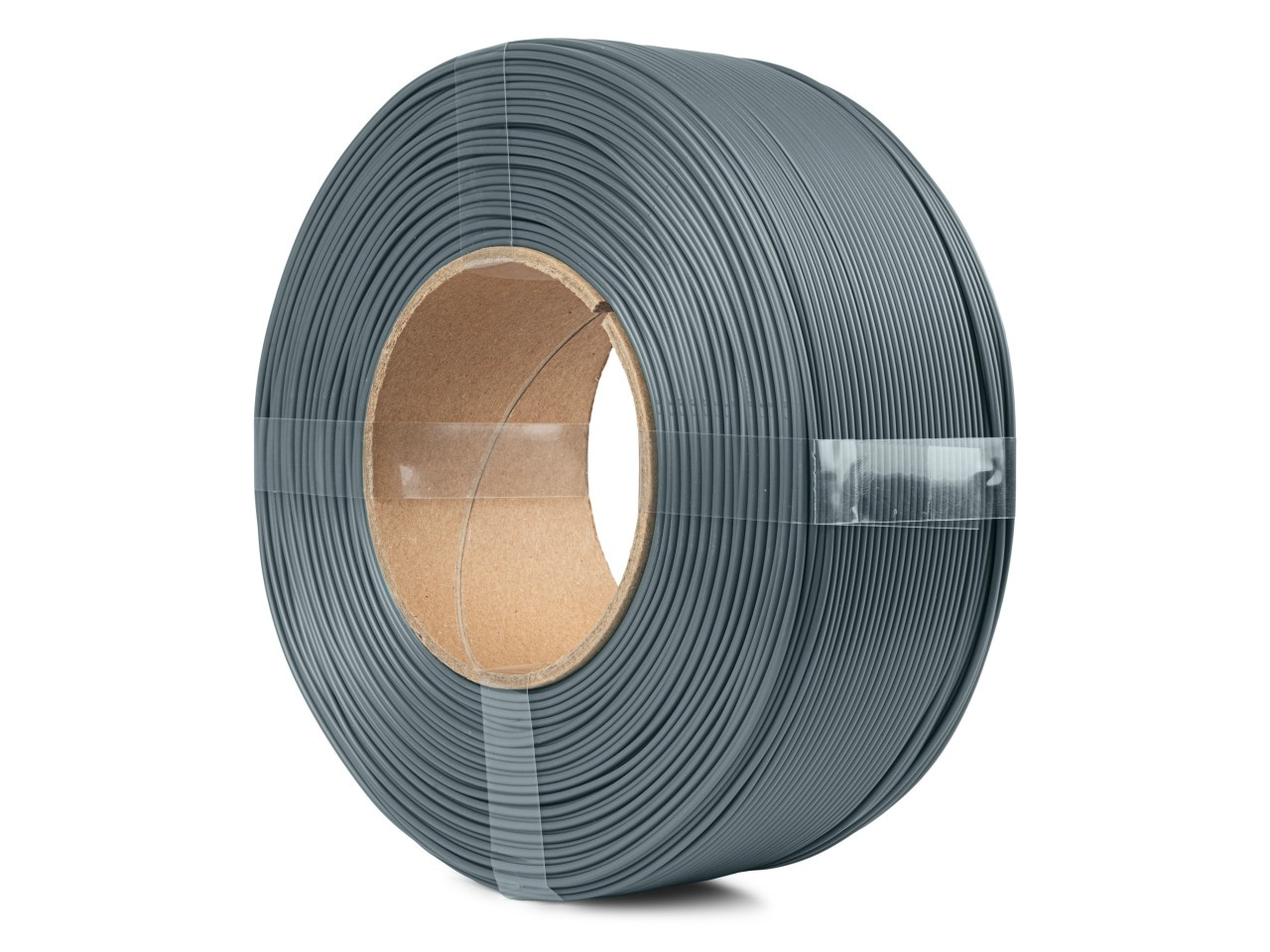
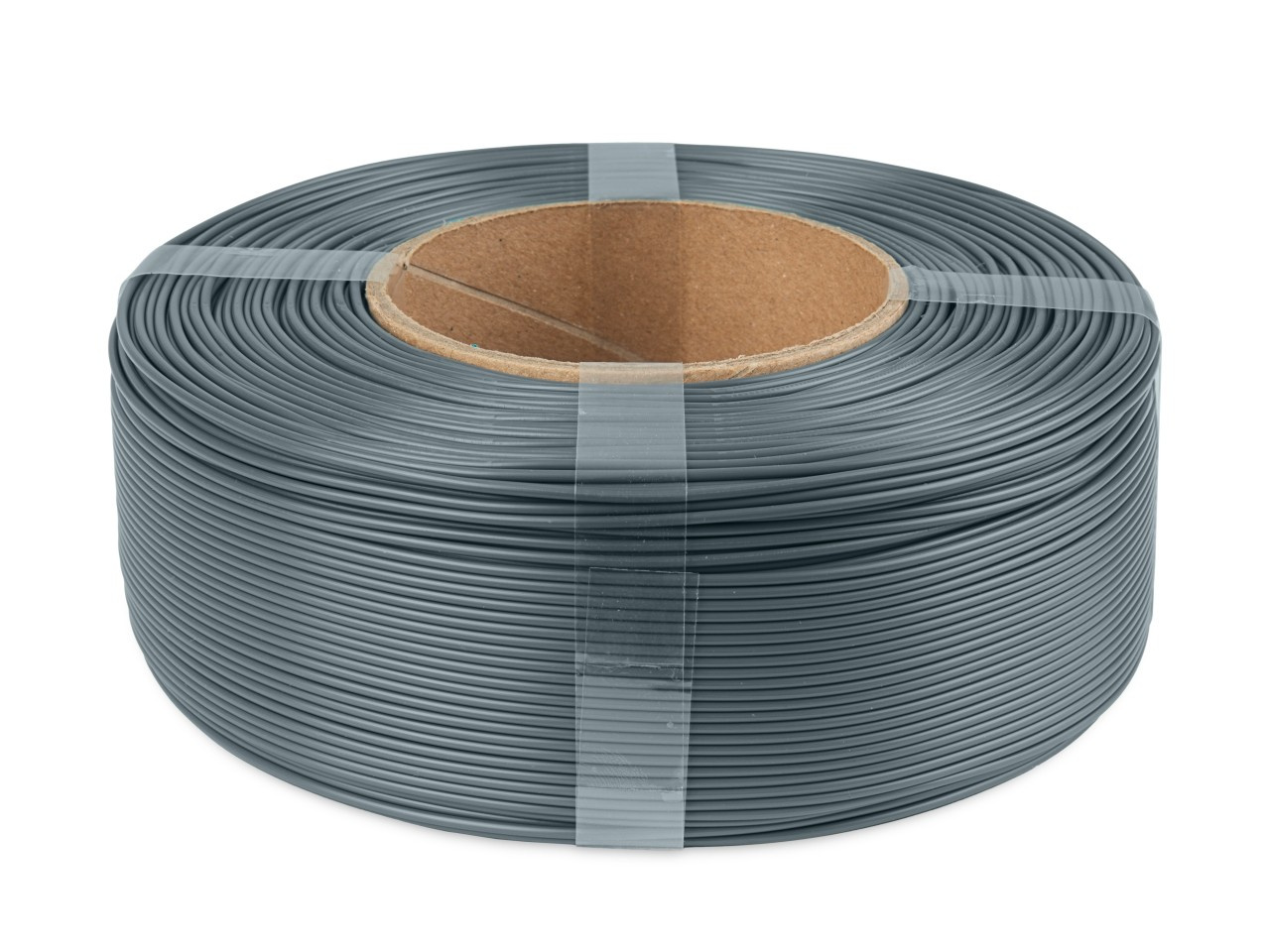
Parameters
Product description
Spectrum filament LW-ASA UltraFoam
Spectrum filament LW-ASA UltraFoam is a professional technical filament that combines excellent UV resistance and weather stability of ASA with advanced active foaming technology. Thanks to the unique properties of the material, Spectrum filaments allow for a reduction in the weight of printed parts by up to 3×, without compromising strength or surface quality. Spectrum filament LW-ASA UltraFoam is the ideal solution for users seeking lightweight, durable, and visually attractive materials for outdoor and technical applications where weight and efficiency play a key role.
This filament is based on the proven formula of Spectrum ASA 275, enriched with additives that allow controlled expansion during printing. The foaming process is activated at approximately 230 °C, with the maximum effect occurring in the range of 270–285 °C. When printing below 230 °C, the material behaves like standard ASA 275, providing users with great flexibility in tuning printing parameters.
In its fully foamed form, the Spectrum filament LW-ASA UltraFoam expands up to three times its original volume and achieves a very low density of approximately 0.33 g/cm³. Spectrum filaments from this range allow the user exceptional control over the material flow – it can be reduced by up to 66%. The degree and speed of foaming can be precisely regulated by changing the printing temperature, which allows the density of individual parts to be adjusted as needed. The foaming effect also supports faster 3D printing as it allows for the use of thicker layers or single-layer walls.
With Spectrum filament LW-ASA UltraFoam, it is possible to achieve a significant weight reduction – up to 34% compared to traditional ASA, and in extreme cases even up to 3×.
The matte and slightly rougher surface effectively masks visible layers, giving the final part a professional appearance. The degree of foaming also affects the shade of the material – with higher expansion, the color visibly lightens. The filament simultaneously retains all the key properties of ASA – high UV resistance, dimensional stability, and mechanical strength. Spectrum filament LW-ASA UltraFoam is the perfect choice for projects where every gram matters, such as RC models, drone constructions, or lightweight functional components.
Key Features:
-
More than 3× weight reduction of printed parts
-
Active foaming technology – activation at 230–285 °C
-
Adjustable material density – full control over the flow and structure of the part
-
Very low final density – up to approx. 0.33 g/cm³
-
More than 3× higher yield – one spool of Spectrum filament LW-ASA UltraFoam prints as much as three spools of standard ASA
-
UV and weather resistance – ideal for outdoor applications
-
Matte finish that hides layers and improves the appearance of the print
Tips:
-
The level of foaming may vary depending on the type of printer
(e.g. Bambu Lab P1S/X1C reached 0.33 flow, Prusa i3 MK3S – 0.42) -
Higher foaming rates can be achieved in printers with a closed chamber
-
Humidity negatively affects foaming – it is recommended to dry the filament before printing
-
Increasing retraction helps reduce artifacts and stringing; any remaining residues can be easily removed manually
-
If the model sticks too much to the bed – lower the bed temperature, clean the surface, or use a release agent
-
If the part is too brittle – the material flow is too low, increase the flow
